Admin_Adham
Hypertension remains one of the most common chronic systemic diseases worldwide; however, persistent diagnostic and management errors continue to undermine optimal care. A recent review found 12 recurring potential flaws and provided practical strategies to improve accuracy, treatment choice, and long-term outcomes in routine clinical practice for hypertension.
Error 1: Favoring Office vs Home Measurement
Blood pressure (BP) monitoring at home provides several advantages, according to the author, Ami Schattner, MD, from The Faculty of Medicine, Hebrew University and Hadassah Medical School, Jerusalem, Israel. Self-measurement in the patient’s home is more relaxed; provides multiple values, such as measurement twice a day over 1 week; and encourages patient empowerment, literacy, and self-management.
Error 2: Failure to Observe Correct Measurement Technique
Established recommendations are not consistently followed in clinical practice. BP should be measured before medications and 2 hours after awakening to avoid the “morning surge.” The patient must be relaxed, silent, and seated with their arm supported on a table, and three readings should be taken 1 min apart, discarding the first. The failure to follow these steps results in inaccurate values.
Error 3: Unawareness of Normal Nocturnal Dipping
The normal nocturnal dip in BP requires 24-h ambulatory BP monitoring; discovery of the absence of “dipping” identifies a strong independent cardiovascular (CV) risk factor and may suggest a correctable condition such as obstructive sleep apnea.
Error 4: Generalizing All Cases as Primary Hypertension
The prevalence of secondary hypertension is less than 10%; however, it should be considered in all patients, selecting those who need to be screened, due to the potential reversibility (eg, drug- or substance-induced cases) and its impact on treatment (eg, primary hyperaldosteronism).
Error 5: Not Evaluating Target Organ Damage
Hypertension affects multiple organ systems, often without symptoms:
- Heart: Left ventricular hypertrophy, left atrial enlargement, diastolic dysfunction, and paroxysmal atrial fibrillation
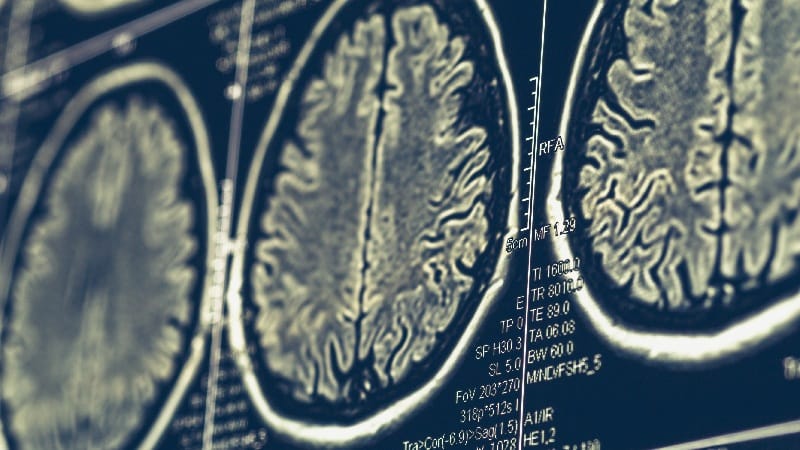
- Brain: Small vessel cerebral disease and lacunar infarctions
- Kidneys: Albuminuria and compromised glomerular filtration rate
- Arteries: Silent atherosclerotic plaques
Identifying such damage influences prognosis and treatment decisions, including the use of anticoagulants, SGLT2 inhibitors, mineralocorticoid receptor antagonists, and lipid-lowering therapy.
Error 6: Not Investigating Changes in BP Pattern
A sudden worsening or improvement in previously stable hypertension warrants evaluation. Potential causes include newly developed secondary hypertension or reduced cardiac output.
Error 7: Neglecting Concomitant Lifestyle Measures
The Dietary Approaches to Stop Hypertension eating plan — particularly sodium restriction or increased potassium intake — along with weight loss, regular exercise, and alcohol consumption in moderation, is highly effective in reducing BP, enabling each to reduce BP by a few mm Hg and having well-substantiated benefits for other crucial metabolic and CV risk factors without adverse effects.
Error 8: Adding a Second Class of Drugs Prematurely
While monotherapy alone may control BP in < 10% of patients, the more drugs prescribed, the greater the risk for adverse effects, drug interactions, and poor adherence. Clinicians may often add a third class to intensify treatment before waiting enough for the full effect of the drug prescribed. For example, although most BP reduction occurs in the first week of angiotensin-converting enzyme inhibitor (ACE) or angiotensin receptor blocker (ARB) treatment, they typically reach their maximal effect within 2-4 weeks of initiating therapy. In such cases, gradual escalation to the maximal daily dose or maximally tolerated dose may be more sensible than adding an additional drug.
Error 9: Choosing a Wrong Class of Drugs
Common prescribing errors include:
- Starting treatment with calcium channel blockers or thiazide diuretics when ACEs or ARBs may provide better renal protection
- Using beta-blockers without treatment resistance or a cardiac indication such as paroxysmal atrial fibrillation, reduced ejection fraction, or angina
Error 10: Underutilizing Beneficial Therapies
Some effective drug classes remain underused. For example, alpha-blockers such as terazosin may be appropriate in patients with benign prostatic hyperplasia. In resistant hypertension, add-on therapies such as mineralocorticoid receptor antagonists and centrally acting alpha-agonists, such as clonidine, can be effective when used at the lowest effective dose.
Error 11: Tolerance of Higher Targets in Older Adults
In this age group, isolated systolic hypertension is not only the most common form of hypertension but also a major CV risk factor, particularly stroke. Real-world practice reveals that undertreatment is common in this population due to therapeutic inertia; fear of adverse effects, such as orthostatic hypotension or the J-curve; and associated multimorbidity or frailty.
Error 12: Confusing Urgency (Severe Hypertension) With Emergency
In the absence of associated target organ damage, even extremely high BP can be treated orally and in the outpatient setting. However, these patients are often referred unnecessarily to emergency departments and hospital treatment, resulting in unwarranted crowding, costs, and adverse patient experience.
The authors’ conflicts of interest are reported in the original study publication.
This story was translated from Coliquio, part of the Medscape Professional Network.