Admin_Adham
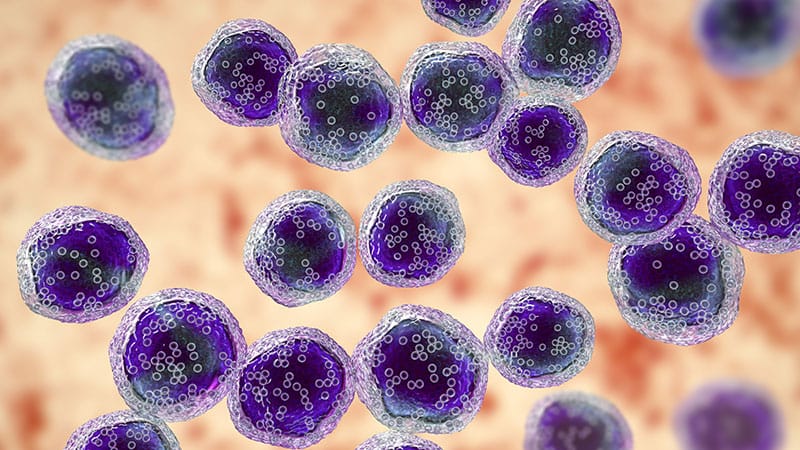
The US FDA’s vaccine advisors have recommended that three new influenza strains be included in next winter’s influenza vaccine, aiming in part to tamp down illness caused by subclade K, a mutated form of influenza A (H3N2).
The US CDC estimates that 88% of A-positive specimens this season so far are H3N2 and that 93% of those A strains were subclade K. The agency first identified subclade K in June, after this season’s vaccine had been formulated.
Similarly, two thirds of the influenza B viruses identified in specimens were different from the strain that had been incorporated in this winter’s vaccine, said CDC.
The seven voting members of the Vaccines and Related Biological Products Advisory Committee were unanimous in agreeing with the recommendations for the 2026-2027 flu season that had been put forward by CDC experts at the meeting.
The vaccine strains to be incorporated into the new vaccine are also the same as recommended by the World Health Organization (WHO) in late February for the northern hemisphere. The recommendations are based on global surveillance by the WHO and CDC, with a focus on what flu viruses are circulating in the southern hemisphere as its winter respiratory virus season starts.
The panel said that egg-based flu vaccines should include the A/Missouri/11/2025 (H1N1)pdm09-like virus, the A/Darwin/1454/2025 (H3N2)-like virus, and the B/Tokyo/EIS13-175/2025 (B/Victoria lineage)-like virus. The advisers recommended the same A strains for cell- and recombinant-based vaccines, combined with B/Pennsylvania/14/2025 (B/Victoria lineage).
The A/Darwin strain covers subclade K, which continues to be a concern. The recommended B strain was picked to be a closer match with what is currently circulating.
All three strain recommendations are a change from the 2025-2026 flu vaccine composition.
Uptake and Effectiveness Low
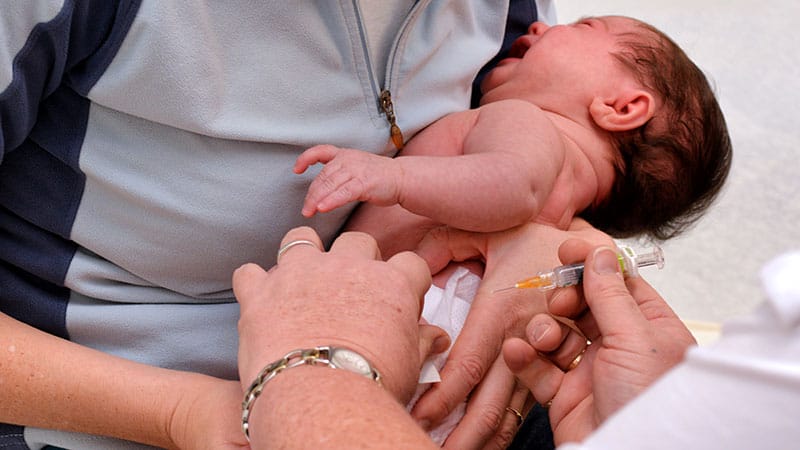
The FDA panel’s recommendation comes in the wake of yet another flu season in which both vaccine uptake and effectiveness were low.
As of late February, the CDC reported that 48% of children and 47% of adults had received a flu vaccine.
Last winter, 50% of children aged 6 months to 17 years received a vaccine, as did about 40% of those aged over 18 years, with rates highest among those aged over 65 years, at 63%.
As of February, 135.4 million doses of the flu vaccine had been distributed compared with 147 million last season at that time, reported the agency. Since 2021, the number of doses distributed in the US each year has declined, amounting to a cumulative 40 million fewer doses, Beverly Taylor, PhD, head of global influenza scientific affairs for vaccine maker CSL Seqirus, told the panel, citing CDC data.
“Since the COVID-19 pandemic, we’ve seen the US influenza vaccine uptake and coverage rates decline year-on-year, and this is despite having plenty of vaccine available,” said Taylor.
The decline in vaccination may be contributing to more illness and lower vaccine efficacy, experts told the FDA committee.
Lisa Grohskopf, MD, MPH, medical officer in CDC’s Influenza Division, told the panel that flu-related illness and hospitalizations had declined from a late December peak. But flu-associated hospitalizations are the third highest since the 2010-2011 season. For children, hospitalizations are the second highest since 2010-2011, Grohskopf said.
The CDC has classified this season as “high severity” for children, she said. There have been 90 pediatric deaths reported so far, said Grohskopf. About 85% of the children who died were unvaccinated.
Vaccine effectiveness in children has also varied widely. For children aged 6-17 years, overall effectiveness against all strains was 14%-48%, said Grohskopf. The vaccine was 38%-41% effective in protecting against outpatient visits and 41% effective against influenza-associated hospitalization.
For adults, the vaccine was 22%-34% effective against outpatient visits and 30% against hospitalization. The vaccine was slightly more effective for older adults for outpatient visits — 30%-41% — but just 31% against hospitalization.
Effectiveness against outpatient visits and hospitalizations for influenza A hovered in the 30%-40% range for children and adults.
All the effectiveness data was published in the March 12 Morbidity and Mortality Weekly Report.
Acting panel chairman Arnold S. Monto, MD, professor emeritus of epidemiology at the University of Michigan School of Public Health, Ann Arbor, Michigan, said the data presented to the panel on the virus’ mutations and the real-world effects of vaccine composition demonstrated their almost Sisyphean task.
“We were reminded about how difficult strain selection is — that it’s a little bit of science, a little bit of luck in coming up with the right strains for the vaccine,” he said.
Alicia Ault is a Saint Petersburg, Florida-based freelance journalist whose work has appeared in many health and science publications, including Smithsonian.com. You can find her on X @aliciaault and on Bluesky @aliciaault.bsky.social.