Admin_Adham
TOPLINE:
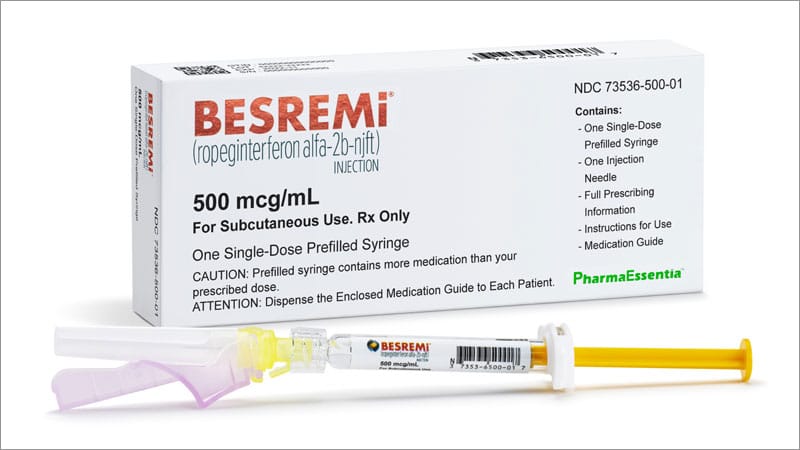
Extended-release buprenorphine treatment in 15 pregnant and postpartum individuals with opioid use disorder (OUD) led to complete cessation of nonprescribed opioids and increased medication adherence. All patients demonstrated reduced substance use, with no identified maternal or neonatal side effects.
METHODOLOGY:
- Researchers conducted a case series study of 15 pregnant and postpartum patients with OUD treated with extended-release buprenorphine between January 1, 2023, and May 1, 2025, in an urban academic peripartum substance use disorder clinic.
- Analysis included review of electronic medical records and urine drug tests collected at each perinatal outpatient appointment, with all medical records being double coded.
- Participants were divided into pregnant (n = 6) and postpartum (n = 9) groups, with the postpartum group initiating treatment at an average of 5.13 months after delivery.
TAKEAWAY:
- In the prenatal group, positive urine tests for nonprescribed opioids decreased from 46.1% to 0.0%, while use of other substances decreased from 30.8% to 1.2%.
- The postpartum group showed similar improvements, with nonprescribed opioid use dropping from 17.8% to 0.0%, and other substance use decreasing from 12.6% to 2.1%.
- Buprenorphine adherence improved across both groups, with norbuprenorphine positivity rates increasing to 100% after extended-release initiation.
- Among three patients who discontinued treatment postpartum, two maintained recovery, while one experienced a nonfatal overdose 12 months postpartum.
IN PRACTICE:
“Given the elevated overdose risk postpartum, it is crucial to discuss the importance buprenorphine continuation for at least a full year postpartum,” the authors of the study wrote.
SOURCE:
The study was led by Nia Bhadra-Heintz, MD, MS, Hospital of the University of Pennsylvania, Philadelphia. It was published online in Obstetrics & Gynecology.
LIMITATIONS:
According to the authors, this study was limited by its small size of 15 patients and single-site design in an urban academic setting, which may affect generalizability. The study was also conducted in Philadelphia, which has a particularly potent fentanyl drug supply with adulterants, potentially limiting the applicability of findings to other regions.
DISCLOSURES:
The authors reported having no relevant conflicts of interest.
This article was created using several editorial tools, including AI, as part of the process. Human editors reviewed this content before publication.