Admin_Adham
The FDA has approved a subcutaneous formulation of lecanemab (Leqembi Iqlik, Eisai/Biogen) for maintenance dosing in patients with Alzheimer’s disease (AD) with mild cognitive impairment (MCI) or mild dementia stage of disease.
After 18 months of lecanemab (Leqembi) intravenous (IV) treatment at 10 mg/kg every 2 weeks, patients may either continue IV infusions at 10 mg/kg once every 4 weeks or switch to the new weekly 360-mg subcutaneous injection using the Leqembi Iqlik autoinjector.
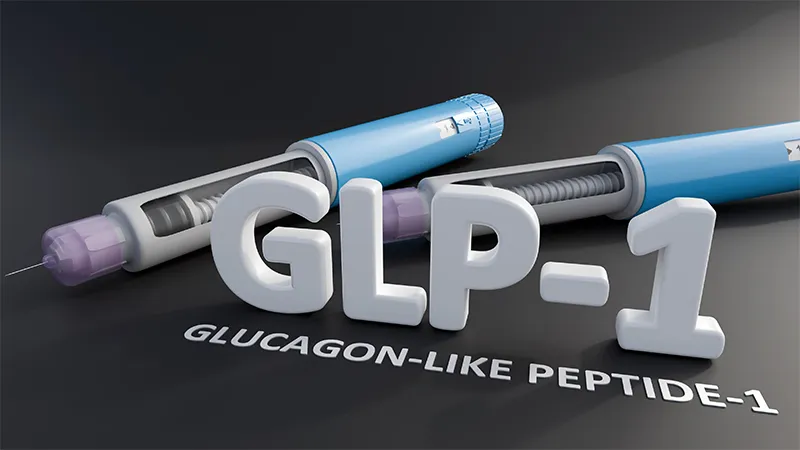
This shift to subcutaneous maintenance dosing is an important move toward making lecanemab more accessible for patients, “similar to how diabetes and GLP-1 medications are delivered, and represents the first step towards the day when patients can bypass infusions altogether,” Howard Fillit, MD, co-founder and chief science officer of the Alzheimer’s Drug Discovery Foundation, said in a statement.
“This milestone lessens the burden on patients and caregivers by reducing the logistical challenges of receiving Alzheimer’s treatment, while also bringing us closer to the day when patients can more easily receive a combination of drugs, potentially administered from home,” Fillit added.
In the open-label extension of the phase 3 Clarity AD trial, continuous treatment with lecanemab was associated with sustained disease-modifying benefit over 4 years in patients with early-stage AD, as reported previously by Medscape Medical News.
The safety and efficacy of subcutaneous lecanemab dosing was evaluated as part of the extension study.
The data showed that transitioning to the weekly subcutaneous dosing after 18 months of IV dosing maintained clinical and biomarker benefits comparable to those obtained with continued IV dosing, the company said in a statement.
The safety profile of subcutaneous administration mirrored that of the IV maintenance treatment, although systemic reactions were less common with subcutaneous dosing (< 1% vs 26% with IV infusions).
Approximately 11% of patients using subcutaneous lecanemab experienced mild-to-moderate local reactions (redness, swelling, or itching at the injection site), which did not interfere with continued administration.
Rates of amyloid-related imaging abnormalities (ARIAs) in patients who received a weekly 360 mg subcutaneous maintenance dose were similar to ARIA rates reported in patients who continued with the IV dose after 18 months. Most ARIAs with lecanemab occur within the first 6 months of IV initiation treatment, the company noted.
Lecanemab subcutaneous autoinjector will be available in the US starting October 6, the company said.
Alzheimer’s is not a “one-target disease, and the future lies in precision combination therapies tailored to each patient based on their individual biomarker profiles,” Fillit noted.
“Subcutaneous delivery is more than an upgrade — it’s a gateway to the next generation of Alzheimer’s care, accelerating our ability to bring effective, multi-modal treatment regimens to the millions of patients who need them,” he added.