Admin_Adham
Hypoglycemia is linked to an increased risk for and progression of diabetic retinopathy, according to new research presented at The Retina Society (TRS) Annual Meeting 2025.
Severe hypoglycemia is linked to a higher rate of retinopathy in patients with type 2 diabetes and proliferative disease in patients with the type 1 form of the condition. Previous research from scientists at Johns Hopkins found periods of hypoglycemia may weaken the blood-retina barrier and promote leakage in the tissue, leading to loss of vision.
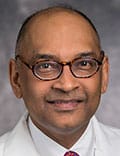
The new findings underscore the importance of patients at risk for hypoglycemia to strictly monitor their blood glucose levels to avoid the onset or worsening of retinal problems, said Shree Kurup, MD, lead author of the study and director of Surgical Ocular Immunology and Uveitis and Vitreoretinal Diseases at University Hospital Eye Institute in Cleveland.
Hypoglycemia can severely affect the kidney and the retinas, Kurup said. “Glucose levels below 70 mg typically harm the retina and kidney more than elevated glucose and may lead to blindness. This is new information, since we used to just monitor the hemoglobin A1c, which can be spuriously low in a patient with low glucose levels since it’s an average.”
For the retrospective study, Kurup and his colleagues analyzed data from the TriNetX repository on the association between hypoglycemia and diabetic retinopathy in patients with type 1 and type 2 diabetes, relative to both hyperglycemia and normoglycemia. They also evaluated the effect of hypoglycemia on chronic kidney disease (CKD).
Symptoms Can Range From Mild to Severe
Patients with hypoglycemia were roughly 3.5-4.8 times more likely to develop both nonproliferative diabetic retinopathy (NPDR) and PDR, as were those with hyperglycemia or controlled blood sugar, according to the researchers.
Being hypoglycemic raised the risk for the two eye conditions as much as 1.68- and 2.05-fold, respectively, in patients with type 2 diabetes compared with those with type 1 diabetes. “Additionally, hypoglycemia elevated risk of progression from NPDR to PDR to a similar degree as hyperglycemia, up to 1.99 (1.56, 2.54) in type 2 diabetics, relative to normoglycemia,” they reported.
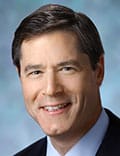
Neil M. Bressler, MD, the James P. Gills Professor of Ophthalmology at Johns Hopkins Medicine in Baltimore, said hypoglycemia can manifest symptoms that range from mild to severe. “This study revealed an increased association between hypoglycemic events and the risk for having a milder amount of damage to the retina due to diabetes and nonproliferative diabetic retinopathy, or a severe amount of damage and proliferative diabetic retinopathy,” said Bressler, who helped conduct the new research.
Hypoglycemia also appeared to increase the risk for CKD, end stage renal disease, and progression from the former to the latter, the researchers found. Patients with CKD have a higher risk for hypoglycemia and related complications, according to the American Diabetes Association, and research shows that retinopathy can serve as a marker of CKD severity and the progression of one often aligns with the progression of the other.
Bressler emphasized that these findings reveal associations, not necessarily causation or cause and effect. The new results “may or may not be due to the hypoglycemic events,” he said. “Instead, the results may be tied to a confounding factor that caused the retinopathy, such as severe hyperglycemic events where the challenge to control this condition sometimes results in low blood sugar levels.”
“These finding emphasizes the need for patients to regularly monitor their blood glucose, not hemoglobin A1C,” Kurup said.
Bressler’s employer, Johns Hopkins University School of Medicine, received grants from Regeneron. He is editor in chief of JAMA Ophthalmology, chair of the National Eye Institute Data and Safety Monitoring Committee for intramural trials, and volunteers on the Board of Directors for the JAEB Center for Health Research.
Kurup reported no relevant financial conflicts of interest.
Martta Kelly is a medical journalist from the New York metropolitan area.