Admin_Adham
MINNEAPOLIS — Many forms of histiocytoses in children are skin-limited and relatively benign, but fatalities related to Langerhans cell histiocytosis (LCH), a relatively severe form, are increasingly uncommon unless high-risk organs are affected, according to a global expert.
Because of a growing array of targeted therapies, “we have survival rates approaching 100% when children with LCH are managed by a multidisciplinary team. This was once not the case,” reported Mark Koh, MD, senior consultant and head of the Department of Dermatology at the KK Women’s and Children’s Hospital in Singapore.
Survival rates fall substantially when the hematopoietic system, the liver, or the spleen are involved, particularly if there is a poor response to initial therapies, but long-term survival is achieved at rates averaging about 75% even in these individuals, Koh said at the Society for Pediatric Dermatology (SPD) 2026 Annual Meeting.
Skin-Only LCH Is Usually Treatment Responsive
With skin-only disease, healing is typically achieved with minimal sequelae — such as minor scarring or dyspigmentation — but the risk for recurrence, most often occurring in the organ previously affected, still approaches 20%. Moreover, these patients remain at substantial risk of developing a secondary malignancy whether later in childhood or as an adult.
“This means that long-term follow-up is needed even among patients who respond to first-line therapies,” Koh said at the meeting.
Despite the fact that LCH is rare, Koh called for a high index of suspicion, not least because early treatment offers better outcomes.
“The key is to biopsy lesions that are not getting better,” he explained, noting that histopathology is generally characteristic and diagnostic. He advised, however, that all therapy be stopped 2 weeks before the biopsy to provide a better specimen.
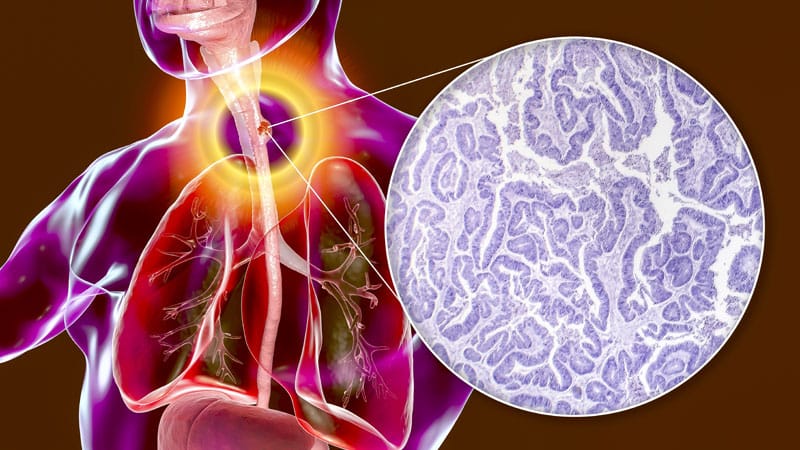
Lesions are nonspecific, sometimes appearing as hemorrhagic petechiae or as eczematous papules and nodules with or without pruritus. But histopathology is characterized by clusters of large mononuclear cells with kidney-shaped shaped nuclei. Hesitation to biopsy will mean a delay in initiating treatment, Koh said.
Ulceration or other signs of inflammation in seborrheic areas, such as the scalp, face, upper chest, and upper back, or intertriginous areas, such as the axilla or skin folds, should be a reason to consider LCH in the differential diagnosis.
“Always look in the genital area, which is one of the sites most often affected,” Koh said.
Histiocytoses, whether in children or adults, are characterized by the accumulation of macrophages, dendritic cells, and monocytes in various tissues. About 100 different subtypes in at least five classifications based on cell phenotype, molecular changes and other factors have been identified.
Somatic BRAF V600E Mutations Are Common
Some are common and self-limiting, but LCH, with prevalence estimates ranging between 0.5 and 5.4 cases per million individuals, is particularly common in infancy or the first few years of life. Some cases are congenital. Koh reported that a substantial proportion — estimates range from 40% to 70% — stem from somatic BRAF V600E mutations activating enzymatic pathways that include RAS, RAF, MEK, ERK, and MAP kinases. The result is a prolonged inflammatory response.
With accumulation of Langerhans cells in the skin and other organs, other immune cells, such as CD4 and CD8 T cells, have the effect of feeding the proinflammatory milieu at the site of involvement.
Because of the potential for systemic involvement, a positive skin histology for LCH should prompt a systemic evaluation, which Koh said should include a skeletal screen in all patients as well as a chest x-ray, ultrasound of the hepatobiliary system, and liver function tests. Further studies, such as biopsies of the lung or liver, might be appropriate based on clinical symptoms or other reasons to suspect multi-organ disease.
Traditional therapies for the skin have included topical steroids, calcineurin inhibitors, imiquimod, phototherapy, and resection, but most patients have multidisciplinary organ involvement, Koh noted. For these patients, multidisciplinary care has become standard.
For diffuse disease, a broader array of treatments might include chemotherapeutic agents, such as vinblastine; immunomodulators, such as methotrexate; and targeted small molecule inhibitors of kinase pathways, such as the BRAF inhibitors vemurafenib or dabrafenib, the MEK inhibitors trametinib or cobimetinib, or the ARAF inhibitor sorafenib, according to Koh.
These have been used off label based on early phase studies or case reports for a decade or more, he said, citing a summary paper on LCH in children, published in 2018. Phase 3 trials have yet to be conducted, but several agents are in clinical studies registered with clinicaltrials.gov. In addition, an international protocol study of treatments for LCH in children and adolescents is nearing completion.
Multidisciplinary Care Is Standard for Complex LCH
The growing array of therapies and the complexity of managing diffuse disease in multiple systems is the reason that multidisciplinary care is in the patient’s best interest. Koh noted that the risks of small molecule inhibitors differ, so they are not interchangeable across patients. He suggested team care can improve the likelihood of appropriately individualized treatment selections across involved organs.
One of the SPD Annual Meeting course directors, Cynthia Nicholson, MD, commented that while LCH is rare, advances in understanding the underlying pathophysiology that has led to better therapeutic targets provide the impetus to update strategies for diagnosis and management.
Nicholson, assistant professor in the University of Minnesota’s Department of Dermatology, Minneapolis, described the presentation as “a good tour of the landscape.” While a pediatric dermatologist “might only see a couple of these cases in a career, this is important information,” she said, reiterating the potential value of a timely biopsy to minimize the diagnostic delay.
Koh reported financial relationships with AbbVie, Amryt, Aslan, Bioderma, Dyamed, FarmaMondo, Galderma, GSK, Good Pharma, Hyphens, Leo, L’Oreal, Menarini, Novartis, Quoin, Pfizer, Rxilient, and Sanofi. Nicholson reported no potential conflicts of interest.