Admin_Adham
The International League of Dermatological Societies (ILDS) has convened a new working group of global experts to bring attention to the use of skin-bleaching products to lighten the skin — a dangerous and rapidly growing trend.
The multidisciplinary working group, consisting of dermatologists, sociologists, public health experts, historians, anthropologists, psychologists, patients, and advocates drawn from over 70 countries, including three dermatologists from the US, is a global initiative designed to promote awareness of the harms posed by skin bleaching (also called skin lightening) through a new campaign called the ILDS Movement for Safe Skin.
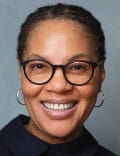
“The practice of skin lightening is increasing rapidly to the extent that it’s now a serious but unrecognized public health burden,” the working group’s Chair, ILDS Board Member, Ncoza N. Dlova, MD, PhD, dean and head of the School of Clinical Medicine at the University of KwaZulu-Natal in Durban, South Africa, said in a news release from the ILDS.
“We’ll work with communities to raise awareness of the importance of skin health to overall wellbeing and deliver the clear message that healthy skin comes in every shade,” Dlova said.
Not Just Skin Deep
Skin-bleaching products often contain “excessive, nonmedical concentrations” of harmful ingredients, including mercury, potent topical corticosteroids, or high-concentration hydroquinone, working group member Seemal R. Desai, MD, president of the Global Vitiligo Foundation and former president of the American Academy of Dermatology and the Skin of Color Society, told Medscape Medical News. Dermatologists commonly see exogenous ochronosis, severe steroid acne, skin atrophy, striae, delayed wound healing, infections, and “paradoxical worsening of pigmentation caused by these products,” he said.
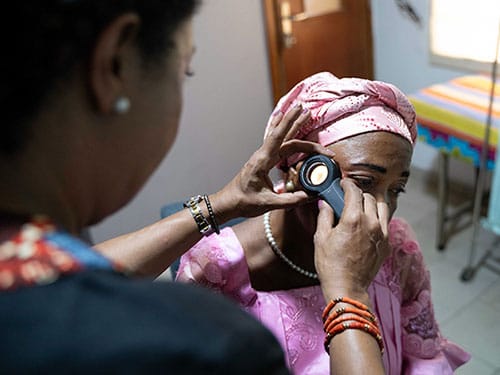
Risks “extend beyond the skin itself” and have systemic effects, he noted. Exposure to mercury can result in kidney disease, neurologic injury, cognitive impairment, peripheral neuropathy, and fetal toxicity. Long-term use of potent topical corticosteroids can lead to adrenal suppression, diabetes, and severe infections.

Disturbingly, “products marketed as ‘fairness creams,’ ‘brightening serums,’ or ‘glow creams’ often contain dangerous ingredients that are incompletely labeled or entirely unregulated, and people are unaware of them,” Desai said.
The concern is garnering more attention. In June, the FDA issued a warning not to use over-the-counter (OTC) skin-lightening products containing mercury and/or hydroquinone, recommending that consumers discuss pigmentation concerns with their physicians. The warning noted that there a re no FDA-approved or legally marketed OTC skin-lightening products, and that since 2019, the agency has detected high levels of mercury in certain skin-lightening products.
Global Health Crisis
“Skin bleaching has evolved far beyond a cosmetic issue and is now a significant global public health concern — in fact, I would call it a public health crisis,” said Desai, clinical assistant professor of dermatology at UT Southwestern Medical Center in Dallas.
The expansion of the global market for these products is “fueled by social media, influencer culture, e-commerce, and long-standing societal pressures that associate lighter skin with beauty, success, and opportunity,” Desai said.
Cultural Components
The issue is “deeply meaningful” to Desai personally because, growing up in a South Asian household, he said that he saw firsthand “how concepts of fairness and complexion could influence perceptions of beauty and social status.” These experiences aren’t unique to South Asia, he added. “They’re shared by many cultures across the world.”
Skin bleaching “isn’t about vanity,” he emphasized, but about “history, culture, identity, and deeply rooted societal pressures.” The role of the ILDS working group and of dermatologists “isn’t only to address the complications we see on the skin but also the forces that created them.”
Certain immigrant communities in the US may experience greater exposure because “these products are often familiar and culturally normalized in countries of origin,” Desai added. But the issue extends beyond any particular population because “social media has effectively globalized beauty standards so that today the desire for lighter, brighter, or more ‘even’ skin spans geographic, racial, and ethnic boundaries.”
Young people are particularly vulnerable, he noted, because adolescents and young adults are “growing up in an era of filtered images, algorithm-driven beauty standards, and constant exposure to unrealistic portrayals of appearance.” This is alarming because of the potential neurodevelopmental consequences of mercury exposure, he said.
A First Step
Desai said the launch of the working group “represents only the beginning.” The next steps include “expanding educational initiatives, strengthening international collaborations, engaging policymakers and regulatory agencies, and supporting culturally relevant public awareness campaigns.”
The working group also hopes to work closely with patient advocacy organizations and member societies to “improve access to evidence-based dermatologic care and to better understand the global burden of the issue.”
Some of the activities will include developing educational materials and resources, engaging communities through educational institutions (eg, schools and universities), utilizing media and local networks, and developing clinical and policy guidance.
Desai clarified that part of the ILDS group’s work involves advocating with regulatory bodies, so they understand that “medical use of lightening products for pigmentary disorders under the supervision of a dermatologist and/or trained medical professional is different and still remains very important to preserve and advance appropriate access.”
Ultimately, Desai said, the movement encompasses broader goals, such as “addressing colorism, combating misinformation, protecting vulnerable populations, and promoting healthy skin and self-acceptance.”
He emphasized that patients “deserve understanding, education, and safe care, not stigma or judgment.” Dermatologists are “uniquely positioned to lead this conversation with compassion, cultural humility, science, and advocacy.”
Desai and Dlova had no relevant disclosures.
Batya Swift Yasgur, MA, LSW, is a freelance writer with a counseling practice in Teaneck, New Jersey. She is a regular contributor to numerous medical publications, including Medscape and WebMD, and is the author of several consumer-oriented health books as well as Behind the Burqa: Our Life in Afghanistan and How We Escaped to Freedom (the memoir of two brave Afghan sisters who told her their story).