

 Admin_Adham
Cold winter weather can affect your patients’ physical health, and one chilly issue to keep on your radar is the effect of dropping temperatures on cardiovascular health. As a primary care provider, your direct contact with patients enables effective actions regarding these seasonal shifts.
Patients Should Understand Risks
Discussing general cardiovascular health with patients is important, and it’s even more valuable to help them understand how cold weather can further affect their health.
Extreme conditions like heat waves, cold waves, wildfires, and natural disasters can trigger cardiovascular events.

“Cold weather, in particular, has been linked to increased risk for myocardial infarction (MI) in several large observational studies with robust follow-up,” said Matthew C. Tattersall, DO, MS, associate professor of medicine, and director of the Section of Preventive Cardiology and the Comprehensive Advanced Hypertension Center at the University of Wisconsin School of Medicine and Public Health, Madison, Wisconsin.
To that point, a recent study from Sweden (2024) used a time-stratified case-crossover design leveraging the SWEDEHEART registry to examine short-term effects of lower air temperature and cold spells on MI hospitalizations. The investigators found that exposure to a lower air temperature during the cold season was associated with 10% higher odds of MI hospitalization, and multiday cold spells were linked to an additional 8% higher odds than noncold spell periods.
Here are several ways in which cold weather may affect a patient’s cardiovascular system:
- Cold weather increases sympathetic nervous system activity: fight-or-flight response. “Cold triggers a stress response, releasing adrenaline and noradrenaline, which raise heart rate and blood pressure,” said Tattersall.
- Cold weather increases blood pressure and slightly increases heart rate. Vasoconstriction and sympathetic activation cause systolic blood pressure to rise by 15-20 mm Hg and heart rate to rise up to 5-10 beats/min, research shows.
- Cold weather increases the workload on the heart. Higher blood pressure and vascular resistance raise myocardial oxygen demand, which can trigger angina or even a heart attack in vulnerable patients.
- Cold weather increases blood pressure when paired with exercise. And, particularly with vigorous or isometric exercise (think snow shoveling), there’s an additive effect on blood pressure and in individuals with Atherosclerotic Cardiovascular Disease (ASCVD). “At rest, cold alone can raise blood pressure 20-25 mm Hg; with exercise and cold together, the blood pressure can go up to 37 mm Hg higher,” said Tattersall.
Beyond just warnings against changes in blood pressure and warnings of brisk exercise outdoors, consider these additional precautions:
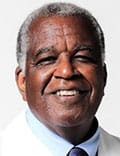
Explaining how loss of body heat affects heart rate. Remind patients to wear adequate covering of the skin with layers of clothing — including a hat and gloves, since large amounts of body temperature are lost from the head and extremities, said Keith C. Ferdinand, MD, the Gerald S. Berenson chair in preventative cardiology and director of preventative cardiology at Tulane University School of Medicine in New Orleans. “Cold exposure may increase heart rate and affect cardiac workload,” he said.
Explain alcohol and metabolic effects. Caution patients at risk to avoid excessive alcohol. “Although alcohol might create a sensation of warmth, it causes vasodilation and heat loss,” said Ferdinand. “Exposure to extremely cold weather might also increase blood pressure and lead to higher metabolic derangements such as higher plasma glucose and increased insulin resistance.” Consider an added level of warning during festive times. “During holiday periods, excessive alcohol consumption — often termed holiday heart syndrome — has been associated with atrial fibrillation and angina pectoris,” he added.
What About Your Patients With Heart Failure?
Patients with heart failure should be especially careful during cold weather, as the increase in heart rate and blood pressure can strain the heart, said Ferdinand. “They should avoid excessive or acute physical activity such as shoveling snow if unconditioned and be aware of signs of acute heart failure such as lightheadedness, fatigue, and decreased blood flow to the heart, often suggested by upper back pain, left arm pain, or unusual perspiration,” he said. These symptoms should prompt immediate medical evaluation or attention.
“I instruct high-risk patients, those with elevated ASCVD risk, limited cardiopulmonary fitness, or established heart disease, to be especially mindful of avoiding extreme cold, and to steer clear of strenuous isometric activities in those conditions,” Tattersall said.
Snow shoveling, in particular, poses a significant risk, he said.
“I remind patients that they’ve already put in their fair share of shoveling, and while it may look like simple yardwork, physiologically it’s a surprise stress test in a blizzard,” he said. “The driveway doesn’t need a hero; this isn’t Game 7 of the World Series, and even if it were, snow shoveling in the cold is more likely to land you on the injured list than deliver a walk-off win.”
For Ferdinand, he usually doesn’t have to worry about his patients shoveling snow in New Orleans. But, he said, in colder times, “I remind patients to dress warmly and avoid alcohol intake, which increases blood pressure and heart rate. I also emphasize awareness of the warning signs of a heart attack — chest pain, tightness, left arm pain, shortness of breath, excessive sweating, or upper back pain during brisk activity in cold weather — which may indicate myocardial ischemia.”
Ferdinand reported having no disclosures. Tattersall reported receiving grants awarded to the University of Wisconsin Institute for Clinical and Translational Research through the National Institutes of Health-National Center for Advancing Translational Sciences. He also reported serving on the Scientific Advisory Board of AstraZeneca.
