Admin_Adham
TOPLINE:
A blended didactic and hands-on workshop for nurse practitioner (NP) students enhanced their knowledge and confidence in the management of intrauterine devices (IUDs) in primary care.
METHODOLOGY:
- This pre-post design study included 60 primary care NP students (88.3% women; 78.3% younger than 36 years) in their second-to-last clinical course before graduation across two cohorts (summer and fall of 2023) at a private nursing institution in the mid-Atlantic US.
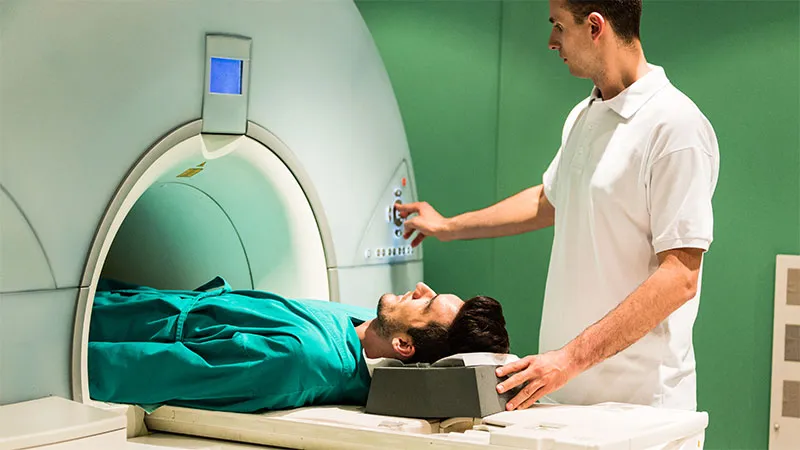
- Participants attended a required in-person workshop that included didactic and hands-on learning focused on long-acting reversible contraceptives (LARCs), including IUDs, led by faculty with expertise in this area.
- Researchers collected 72 surveys before the workshop (one duplicate excluded) and 63 surveys after the workshop, with three excluded due to inability to pair pre-post results, yielding 60 paired responses for analysis.
- Improvement in the knowledge of and comfort with managing and using LARCs in primary care, including the placement and removal of IUDs, was assessed.
TAKEAWAY:
- Overall knowledge scores increased after the workshop (P = .002), with increases in the number of correct responses regarding the return of fertility after IUD removal (58.3% vs 91.7%; P < .001) and improved understanding of the primary mechanism of action of levonorgestrel IUDs (43.3% vs 68.3%; P = .004) after the workshop.
- Participants reported increased confidence in their ability to counsel patients about IUDs, felt more knowledgeable about IUDs relative to other contraceptive methods, demonstrated improved understanding of IUD placement steps, were more comfortable placing IUDs independently in plastic pelvic models, showed increased confidence in teaching IUD placement to other students, and exhibited greater comfort placing IUDs in patients under faculty supervision (P < .001 for all).
- Participants became more likely to recommend IUDs for patients who had never been pregnant, were younger than 19 years, and had experienced multiple vaginal deliveries (P < .001 for all), whereas fewer participants expected pediatricians (P < .001) and internal medicine physicians (P = .008) to perform IUD insertions.
IN PRACTICE:
“Primary care NP education programs in the United States should consider incorporating comprehensive IUD management training, such as the workshop in this study, which can lead to increased patient access to these critical services,” the authors wrote.
SOURCE:
The study was led by Nancy G. Russell, Johns Hopkins School of Nursing at Johns Hopkins University, Baltimore. It was published online on April 22, 2026, in The Journal for Nurse Practitioners.
LIMITATIONS:
The study lacked a control group, used a convenience sample from a single private nursing school, and relied on voluntary post-workshop responses, which may have introduced selection bias; faculty-led delivery may have prompted social desirability. The study depended on self-reported knowledge and confidence rather than on objective competency or behavioral measures, did not assess translation of skills to clinical practice, and had only immediate follow-up, so long-term retention of knowledge or confidence levels was not evaluated. The assessment may not have captured all aspects of LARC counseling and management, pairing pre-post surveys led to some data loss, and the study did not determine whether increased knowledge and confidence improved the quality of patient counseling or clinical outcomes.
DISCLOSURES:
The workshop was partially supported by an educational grant or in-kind contribution from CooperSurgical. The authors reported having no relevant conflicts of interest.
This article was created using several editorial tools, including AI, as part of the process. Human editors reviewed this content before publication.