Admin_Adham
TOPLINE:
MRI-guided personalisation of neoadjuvant chemotherapy duration was associated with favourable 3-year event-free survival outcomes of more than 92% in patients with stage II-III HER2-positive breast cancer.
METHODOLOGY:
- Researchers conducted a multicentre, single-arm, phase 2 study including 235 patients with hormone receptor-negative tumours and 232 patients with hormone receptor-positive tumours between April 2019 and May 2021. All patients, except one, were women.
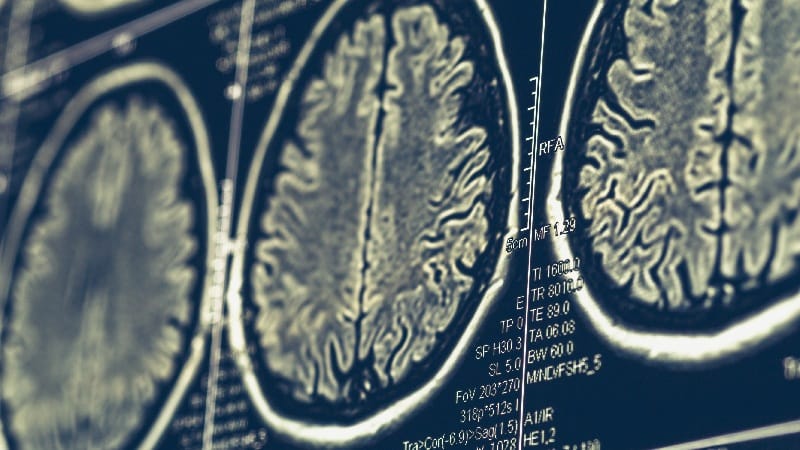
- Patients received up to nine 21-day cycles of intravenous neoadjuvant therapy consisting of paclitaxel (80 mg/m2 on days 1 and 8), trastuzumab (6 mg/kg on day 1 [loading dose, 8 mg/kg in cycle 1]), carboplatin (area under the curve 6 mg/mL per minute on day 1), and pertuzumab (420 mg on day 1 [loading dose, 840 mg in cycle 1]), with surgery scheduled once a complete radiologic response was observed on MRI.
- Patients achieving a pathologic complete response post-surgery completed 1 year of adjuvant trastuzumab and pertuzumab, and those with residual invasive disease completed nine cycles of paclitaxel, trastuzumab, carboplatin, and pertuzumab, followed by 14 cycles of intravenous trastuzumab emtansine (3.6 mg/kg on day 1 of each 21-day cycle).
- The primary endpoint was 3-year event-free survival. Secondary endpoints included pathologic complete response and safety outcomes.
TAKEAWAY:
- The 3-year event-free survival was 92.2% (95% CI, 88.7%-95.9%) in patients with hormone receptor-negative tumours and 92.0% (95% CI, 88.5%-95.6%) in those with hormone receptor-positive tumours.
- Among patients receiving one to three cycles of neoadjuvant chemotherapy, the 3-year event-free survival rate was 96.1% (95% CI, 91.8%-100%) in the hormone receptor-negative group and 98.6% (95% CI, 95.8%-100%) in the hormone receptor-positive group; among those receiving four to six cycles, the rate was 89.2% (95% CI, 82.4%-96.6%) and 94.2% (95% CI, 88.8%-99.9%), respectively; and among those receiving seven to nine cycles, the rate was 90.6% (95% CI, 83.8%-98.1%) and 85.4% (95% CI, 78.3%-93.1%), respectively.
- Patients with pathologic complete response had superior 3-year event-free survival than those without pathologic complete response (94.8% [95% CI, 92.2%-97.5%] vs 87.5% [95% CI, 82.6%-92.7%]; hazard ratio, 0.40; P = .004).
- The most common grade 3-4 adverse events were neutropenia (40%), anaemia (18%), diarrhoea (13%), thrombocytopenia (10%), and hypokalaemia (7%), with an increased incidence of grade 3-4 adverse events with increasing numbers of neoadjuvant chemotherapy cycles administered.
IN PRACTICE:
"This MRI-guided approach appears particularly feasible in patients with hormone receptor-negative disease, in whom radiological complete response correlates well with pathological complete response," the authors wrote, adding that "in hormone-receptor positive disease, better monitoring tools are needed to guide treatment decisions." "These findings support a therapeutic strategy that could substantially reduce treatment burden while maintaining clinical efficacy in well-selected patients," they concluded.
SOURCE:
This study was led by Fleur M. Louis, MD, Netherlands Cancer Institute, Amsterdam, Netherlands. It was published online on February 16, 2026, in The Lancet Oncology.
LIMITATIONS:
Follow-up remained relatively short, and late recurrences beyond 3 years were not uncommon in HER2-positive breast cancer. Trastuzumab emtansine was approved as post-neoadjuvant therapy for patients without pathologic complete response, potentially leading to an underestimation of event-free survival rates. Central pathology and radiology reviews were not performed. Patients with oestrogen or progesterone receptor expression between 1% and 10% were classified as hormone receptor negative. The sample size within certain subgroups was limited and yielded wide CIs.
DISCLOSURES:
This study was funded by Roche Netherlands. One author reported receiving institutional research grants from Roche and various other sources. Additional disclosures are noted in the original article.
This article was created using several editorial tools, including AI, as part of the process. Human editors reviewed this content before publication.