Admin_Adham
Between the white lab coat and the click of heels lies a shared focus: the body. Teresa Díaz Cardona knows this both personally and professionally. She is a physician specializing in physical medicine and rehabilitation at FREMAP Hospital Majadahonda in Madrid, Spain, and also holds a diploma in Spanish dance; she is a former professional dancer. Far from running on parallel tracks, those two callings converge every day in her clinic, where she treats professional dancers from across disciplines.
Beyond her hospital work, Teresa remains involved in dance on a nonprofessional level, practicing flamenco and ballet. She combines that with giving talks and workshops focused on injury prevention in dancers and speaking at specialized conferences.
Attuned to the language of movement, she brings an uncommon, lived perspective to dancer care — having rehearsed to the limit, felt rhythm in her legs, and returned to the stage after injury. In an interview with El Médico Interactivo, part of Medscape’s Professional Network, Díaz Cardona opens a window onto the world of dance — especially Spanish dance — where science and art converge to safeguard a dancer’s most vital instrument: the body itself.
“My training in dance allows me to establish an immediate therapeutic alliance with the dancer because we share a common technical language. A dancer can tell me exactly what discomfort they experience when performing a specific step or position, naming it, and I can immediately know which step they mean, which joints and muscles are involved in its execution, and what injuries may have occurred,” Díaz Cardona explained.
Common Injuries in Dancers
Dance includes many styles — classical, contemporary, Spanish, flamenco, among others — that, because of their physical demands, can predispose dancers to injury. “Most injuries are not the result of isolated accidents like a fall or an accidental blow. They are primarily due to repeated movements, overload from rehearsals and classes, lack of rest, disregarding each dancer’s individual biomechanics, and asking them to perform movements that may be limited by their anatomy. Also, as physicians, we must focus on the formative period during childhood, because many dysfunctions originate in developmental growth, a period of special vulnerability,” she said.
The most frequent injuries in professional dancers generally occur in the foot, ankle, knee, and spine, with the lumbar region being the most affected. Biomechanical requirements vary by technique and, with them, the most common pathologies. “In the case of flamenco dancers, when they tap their feet, they exert a repetitive impact force against the floor, which has repercussions at the bodily level,” she explained. As a biomechanical note, studies show that during certain tapping movements — whether with the forefoot or the heel — force peaks can reach 2-3 times the dancer’s body weight. “In addition, the use of the bata de cola (flamenco dress with a train) or mantón de Manila (Manila shawl) requires very specific upper-body work and can overload the lumbar spine,” she added.
“In classical ballet it’s different. Dancers’ work en dehors, that is, with external rotation of the legs at the hip joints, they can lift the legs above 90 degrees and perform jumps of great technical difficulty. For that reason, they may sustain injuries specific to that style. They also use pointe shoes or demi-pointe shoes, which require very specific foot and ankle work,” she said. In this discipline, characteristic injury patterns include tendinopathy of the flexor hallucis longus, common from pointe work; posterior ankle impingement, typical in relevé or en pointe positions; sesamoiditis from overload of the forefoot; and toenail changes caused by pressure inside the pointe shoe.
Footwear is an extrinsic factor that should not be overlooked when analyzing injuries and varies by discipline. As the expert noted, “In classical dance, pointe shoes are used; in flamenco, shoes or boots with heels; and in contemporary dance, dancers often perform barefoot, which can cause friction wounds or impact injuries. Other variables, such as the coefficient of friction of the floor, stage incline, or even poor lighting that alters proprioception, are critical factors.”
The Rehabilitation Process for the Dancer
When a dancer is injured, recovery is not enough; the challenge is to return to the stage at the same artistic level they had before the injury. “The goal of rehabilitation is not simply to be pain-free during basic daily activities. Dancers push their bodies to the limit, and the aim is to get them back to their preinjury level of activity. For that, we work on exercises tailored to the specific demands of their profession,” the specialist said.
To plan treatment and rehabilitation, it is essential to know the type of dance the patient practices, design a specific exercise program that covers the demands of that discipline, and, if the injury is due to poor technique, reeducate the dancer so they execute steps correctly and avoid relapses. Díaz Cardona emphasized, “Good technique is indispensable; never forget to warm up before class, rehearsal, or performance, and take a few minutes afterward for a cool-down. We must not forget the importance of good nutrition and rest, such as night sleep, and to schedule rehearsals, tours, and so on.”
Psychological Performance Strain
Dance demands a great deal from the body but also from the mind. “A dancer’s psychological profile is marked by high self-demand and resilience that can sometimes be counterproductive. That pursuit of perfection helps with treatment adherence but can also lead to the denial of symptoms. Often, fear of losing a place in the company or failing an audition pushes a dancer to perform through pain, which can lead to chronic conditions and delays recovery. In such a saturated job market with a short professional life span, the pressure on mental health is a factor we cannot ignore,” the specialist said. She also laments the currently high number of anxiety and depression cases among dancers, as well as other disorders such as eating disorders, and highlights that these difficulties are especially frequent in academic and professional training contexts, where performance pressure and physical and artistic demands increase emotional vulnerability.
A study carried out at the professional dance conservatories in Andalusia of 70 students with an average age of 17 who danced at a professional level concluded that dancing professionally while studying increases physical and mental load, which triggers anxiety and favors catastrophizing of pain. In another study that analyzed stress responses in professional flamenco dancers before and after a public performance, researchers found stress patterns (cortisol and testosterone) similar to those observed in athletes under performance pressure.
An analysis in Germany of professional ballet dancers found that more than 40% of women and nearly 10% of men had mental health problems. Among women, the most frequent problems were depression and anxiety in more than half of cases. Burnout or chronic fatigue was reported in more than 30%, and eating disorders in more than 20%. Other problems included performance anxiety, which affected nearly 7%, and sleep problems, which affected 3.5%. Among men, depression or low mood affected nearly 67%, while sleep problems occurred in 33%.
The Therapeutic Power of Dance
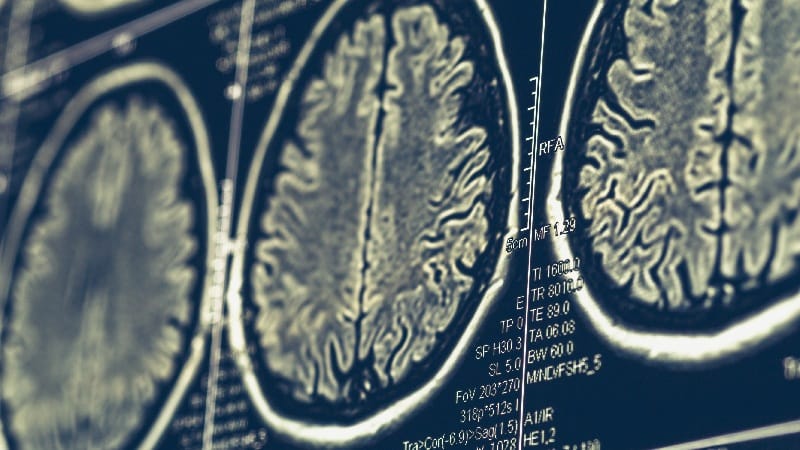
“Current scientific evidence confirms that dance can be a complementary rehabilitation treatment for patients with neurologic conditions. Performing movements to music helps improve coordination, balance, postural control, memory, and attention,” the expert explained. A recent 2025 review of clinical trials involving more than 700 participants found that music- and dance-based programs induce brain changes, including improved brain connectivity and cognitive functions that are key for neurologic rehabilitation.
Moreover, “dance benefits mood, as it has been shown to reduce anxiety, stress, and depression while increasing a sense of freedom, well-being, confidence, and self-esteem,” she added. In that sense, researchers at the University of Sydney, Sydney, Australia, evaluated various types of dance — modern, tango, rumba, salsa, among others — and concluded that dancing can reduce anxiety and stress, boost memory and attention, and produce positive social effects because it is often practiced in groups.
Performing Arts Medicine
Dance has an undeniable artistic dimension, but the intense physical effort professional dancers undergo cannot be overlooked. According to Díaz Cardona, as with other niche sports, because dance is not recognized as an official sport, its visibility is very limited in the media and in medical conferences and meetings. “Personally, I believe more colleagues are becoming interested in this field, but there is still a long way to go. The more professionals who engage with this community, the more specialized the care will be, and dancers will be less afraid to see a doctor, because unfortunately, many have heard simplistic advice like ‘stop dancing’ or ‘you have to quit,’ which drives the artist away from medical care. It’s important to note that my clinical and research practice continues the work of major professionals who introduced performing arts medicine in our country. My goal is to carry the baton and continue expanding the scientific knowledge in a discipline where much remains to be done,” she said.
As both physician and dancer, Díaz Cardona advises health professionals to treat dancers as high-performance athletes with highly specialized skills. “It is imperative to integrate understanding of their psychophysical needs with a rigorous technical analysis of their discipline. We must involve the artist in their therapeutic process as an active participant and expert in their own ‘instrument,’” she said. For colleagues interested in exploring this field and seeing how she applies evidence in clinical practice, she invites them to follow the Instagram profile @medicinaydanza, where she publishes scientific outreach and specialized content on the subject.
And, in closing, the specialist added, “I encourage my colleagues not only to study the artist in the clinic but to observe them in their habitat: the stage. Going to the theater not only allows us to better understand the real biomechanical loads to which they are subjected, but it also nourishes our human sensitivity and clinical excellence.”
This story was translated from El Médico Interactivo on Univadis, part of the Medscape Professional Network.