Admin_Adham
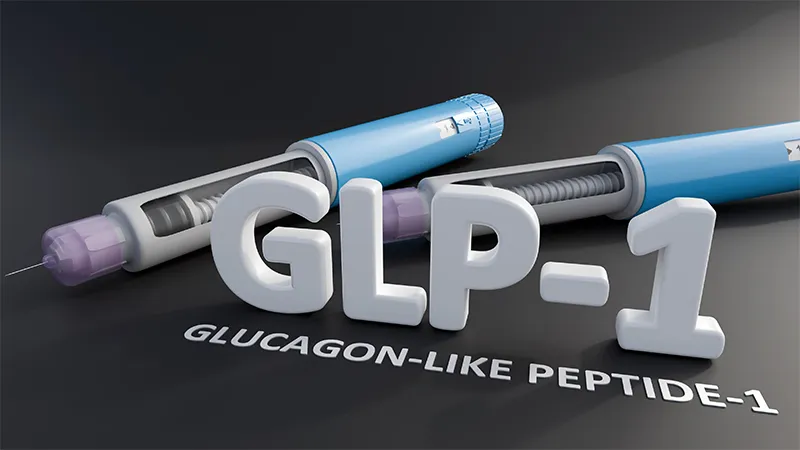
Patent protection for semaglutide is set to expire in several major markets. For liraglutide, that has already happened. The change could make some of the most successful obesity and diabetes drugs of recent years far more affordable for millions of patients. In Europe, however, it may still take years before generics reach the market and prices fall. The shift also poses potential risks to future drug innovation and consistent access for patients.
GLP-1 receptor agonists such as semaglutide and tirzepatide have ushered in a new era of metabolic therapy. Novo Nordisk launched semaglutide in three formulations: the injectable Ozempic for type 2 diabetes in 2017, the oral version Rybelsus in 2019, and Wegovy for obesity treatment in 2021. Eli Lilly followed with tirzepatide — first as Mounjaro in 2022 for diabetes and then as Zepbound in 2023 for obesity.
Semaglutide has become one of the world’s fastest-growing drugs. In 2024 alone, Ozempic and Wegovy generated a combined $26 billion in sales — an increase of roughly 40% from the previous year.
That growth trajectory could shift soon. In large emerging markets such as India, Canada, China, Brazil, and Turkey, intellectual property protection expires in 2026. Together, these countries represent about 40% of the global population, including roughly one third of all adults with obesity.
Competition is already emerging. In India, more than 10 pharmaceutical companies have begun clinical trials with semaglutide, often focusing on oral formulations. International collaborations are gaining traction — such as in Brazil — and in China, over a dozen phase 3 trials of generic semaglutide are currently underway.
By contrast, branded products remain protected for a longer period in high-income markets. In the US, patent protection runs until 2032, while in the EU and Japan, it lasts until 2031. The EU’s supplementary protection certificates can extend patent rights by up to 5 additional years, compensating for lengthy development and regulatory timelines between patent filing and market launch.
Generic versions generally cannot be introduced or marketed while the original product remains under patent protection in the respective country.
Price Pressure and New Distribution Channels
Once patent protection expires, analysts expect intense price competition among manufacturers. In some markets, prices could fall by as much as 75%; in others — such as Brazil — production costs and technical barriers may limit how far they can drop.
In Canada, Sandoz has announced plans to offer generic versions at discounts of up to 70% compared with branded drugs. In Germany, Zentiva may launch its new liraglutide formulation, Nevolat, “well below current prices.” Because production costs for GLP-1 receptor agonists are relatively low, patient expenses are expected to decline sharply once multiple new manufacturers enter the market.
At the same time, new distribution channels are reshaping how these therapies reach patients. In India and China, digital health platforms, telemedicine, and e-commerce already play a central role in medication access. Online consultations, e-prescriptions, and digital pharmacies are increasingly viewed as essential tools for both expanding patient reach and supporting long-term treatment adherence.
New Scenarios for Obesity Treatment
These developments are likely to broaden access to obesity therapy, especially in emerging economies such as India and China. Millions of people who previously could not afford branded GLP-1 products out of pocket may gain access to treatment for the first time.
Lower prices could also benefit national health systems. Canada, for example, may become the first country to include semaglutide for obesity treatment in public reimbursement programs — a move supported by patient advocacy groups who point to improved quality of life and potential long-term cost savings for healthcare budgets.
Affordable generics may further enable long-term maintenance therapy. Because many patients regain weight after stopping GLP-1 treatment, lower-cost options could make sustained use of these medications both feasible and cost-effective.
More Counterfeits, More Lifestyle Prescriptions
A growing number of suppliers also raises the risk for quality issues and counterfeit products. Counterfeit versions of semaglutide have already surfaced in global supply chains.
In an increasingly competitive market, these drugs are being sold through alternative distribution channels, such as online pharmacies, telemedicine platforms, and less-regulated intermediaries — channels where the risk for counterfeit infiltration is higher. Not all countries have secure tracking systems like Germany’s securPharm, which allows medicines to be verified throughout the supply chain.
Experts also warn that easier access could fuel off-label or lifestyle use. Semaglutide and other GLP-1 receptor agonists may be prescribed not only for obesity or diabetes but also for cosmetic weight loss, a misuse that can have serious health consequences.
Health systems and regulators therefore face a complex challenge: ensuring access to effective treatments while safeguarding drug quality, patient safety, and responsible use.
Originator Companies Respond
Manufacturers of branded products are watching these developments closely — and are unlikely to give up their market positions easily. Novo Nordisk, for example, may seek to retain patients through value-added programs (services beyond the pill) or by transitioning them to newer, patent-protected formulations, such as oral semaglutide variants.
Eli Lilly, meanwhile, may respond with competitive pricing for its oral GLP-1 receptor agonist orforglipron, potentially encouraging patients to switch therapies. Medscape Medical News has previously reported on orforglipron’s clinical data.
In competitive markets, brand trust remains a powerful factor: Many consumers are expected to continue choosing familiar names such as Ozempic or Wegovy, a pattern seen repeatedly in pharmaceutical markets.
Opportunities and Challenges After Patent Expiry
In the medium term, patients with obesity may gain broader access to highly effective GLP-1 therapies — provided that quality, safety, and trust are maintained. At the same time, originator companies will face mounting pressure to defend their market share.
To stay competitive, they are likely to adopt new strategies and innovative models that go beyond the product itself. The race to define the future of the GLP-1 receptor agonist market has already begun.
This story was translated from Medscape’s German edition.