

 Admin_Adham
Editor's Note: This is a special feature about the Arena family's experience with Hope4Cancer, an alternative cancer clinic in Mexico with a significant online presence. The piece was reported with extensive interviews with the Arena family, oncologists, and others, along with a review of available medical records, text messages, recorded conversations, and photographs.
The Relapse
In June 2023, Maryann Arena had a cystoscopy at the Mayo Clinic in Jacksonville, Florida, as part of ongoing monitoring for urothelial carcinoma. Four years earlier, doctors had identified a tumor on her right kidney, which was removed in September 2022 along with part of her bladder, family records show.
The family hoped that regular cystoscopies and treatments with Bacillus Calmette-Guérin immunotherapy would keep the cancer at bay. But there are never any guarantees.
That summer afternoon, Maryann's eldest daughter, Carissa Orr, was getting ready to pick up her kids when her father called. "It's bad," he told Carissa.
Tumors had spread across her bladder and her remaining kidney, the family recalled. Doctors said the next step would likely be to remove her left kidney, meaning a lifetime on dialysis — an option Maryann refused.
The urologist ordered a CT scan to help determine the cancer's stage and if it had metastasized. Carissa knew her mother would have few good treatment options if the cancer had spread, but she believed the family could get through this. Carissa's biggest concern was how her younger sister, Tracie Panter, might react.
Tracie, a nurse practitioner, had worked in an emergency room for many years, but her trust in the medical system had waned. She had come to see the COVID pandemic response — and the rapid rollout of vaccines — as "a total scam," she told Medscape. And she found it hard to believe that, for all the money spent on cancer research, there still wasn't a cure.
Beyond that, Tracie felt disillusioned with her mother's care. Since her surgery, Maryann had been receiving regular treatments at the Mayo Clinic to keep the cancer at bay, only for it to get worse.
Tracie set her sights on the Hope4Cancer Treatment Center, an alternative cancer clinic with locations in Tijuana and Cancun. When Tracie was first doing internet research on childhood vaccines several years earlier, she had stumbled on a video series called The Truth about Cancer, which featured a segment about Hope4Cancer. In 2022, Tracie escorted one of her aunts, Lidya Albano — who had a rare, sometimes treatable cancer known as leiomyosarcoma — to the Cancun clinic. Now, Tracie told Carissa she wanted their mother to follow that same path.
The last time Carissa had seen Lidya, she was surrounded by pill bottles and boxes of supplements. She was bone-thin, had a large hump in her back, and wheeled around an oxygen tank.
"If it didn't work for Aunt Lidya, why would it work for Mom?" Carissa asked.
The Tijuana Promise
The divide in the Arena family reflects a growing problem in healthcare: the appeal of an alternative cancer industry that offers different, sometimes experimental or unvetted, therapies not available through conventional medicine. Many Americans believe alternative approaches can cure cancer, but this belief can come at a hefty cost, one that can be measured in patient lives. Oncologists face their own challenges when patients want to try alternative treatments: how to discuss the risks without alienating them.
Nearly 40% of Americans believe cancer can be cured through alternative therapies alone, according to ASCO's 2018 National Cancer Opinion Survey. But research suggests otherwise: Patients who rely on alternative cancer treatments over conventional care are more likely to die.
A 2018 study, published in the Journal of the National Cancer Institute, reported that patients with cancer who used alternative medicine instead of conventional cancer treatments had a 2.5-fold higher risk for mortality than those who received standard care, and an even higher risk— about fivefold— for those with breast or colorectal cancer. A 2026 breast cancer study reported a similar association: Patients who received only alternative therapy had a nearly 3.7-fold higher adjusted risk for death compared with those getting conventional care— a magnitude of risk similar to that observed in patients who received no treatment.
Mark Lewis, MD, an oncologist at Intermountain Health in Murray, Utah, expressed concern about patients pursuing alternative cancer care. "The number of times I have seen an alternative (vs complementary) approach to cancer go well is very small."
But faced with a poor prognosis and standard cancer therapies that may have limited efficacy and can carry serious side effects, patients like Maryann may consider alternative approaches.
While no comprehensive registry exists, available studies and informal directories suggest there are several dozen clinics offering alternative cancer care in the US and more in other countries, particularly in Mexico.
These alternative cancer clinics often attract patients through targeted advertising. A 2024 study in the Harvard Kennedy School's Misinformation Review estimated that, between 2012 and 2023, alternative cancer clinics in Tijuana and Arizona — where a cluster of clinics operate — spent nearly $16 million on Google ads targeting patients in the US by mimicking their Google searches for cancer information. These ads led to more than 6.7 million visits to clinic websites.
Hope4Cancer, the clinic that Tracie found, belongs to a newer generation of alternative cancer centers. With more than 212,000 followers on Instagram, it has cultivated a substantial online presence. The clinic frequently appears among the top Google results for alternative treatments in Mexico, and a recent analysis found that about 40% of crowdfunding campaigns for alternative cancer care sought treatment at Hope4Cancer, suggesting it's one of the more visible alternative cancer clinics.
According to interviews and patient testimonies, treatment at Hope4Cancer can cost around $50,000. Because Mexico-based clinics "cannot directly process US insurance claims," Hope4Cancer's financial resources page lists options that have "helped many patients fund their treatment." These include using retirement savings, selling life insurance policies, taking out medical loans, or turning to crowdfunding platforms, which raised over $5 million for treatments at alternative medicine clinics in Tijuana in 2022, according to the crowdfunding study.
Tracie turned to crowdfunding on June 24, 2023, posting an appeal on GoFundMe to raise $57,000 for a year's worth of treatments. "As a family, we have decided her best option would be to send her to Hope4Cancer to give her the best quality of life and immune boosting treatments she needs to fight the cancer," Tracie wrote. "Since these treatments are not 'FDA approved', insurance unfortunately does not cover any costs."
The Hope4Cancer Journey
Maryann's CT results from the Mayo Clinic came back on June 30, 2023. The scan indicated no clear signs her cancer had spread to the lymph nodes or distant organs.
But the trip to Hope4Cancer was in motion.
On July 5, 2023, Tracie and Maryann landed at the San Diego International Airport and were greeted in the arrivals area by an employee from Hope4Cancer. They rode 45 minutes across the border to Hope4Cancer, a two-story brick and concrete building on a street fronting the Pacific Ocean. Employees unloaded their luggage, and they stepped into a lobby filled with tropical plants.
"You felt like you were walking into a sanctuary," Tracie told Medscape.
Over the next 3 weeks, mother and daughter shared a dorm-style room at the clinic. Maryann started each day with a glass of juice, followed by intravenous infusions of a macrophage activating factor, an alternative cancer therapy once touted by a scientist whose research on the treatment was discredited and retracted over a decade ago.
According to Maryann's personalized treatment plan, she received intravenous vitamins and hyperbaric oxygen therapy, and sat under colored lasers for her near infrared sauna therapy and sonophotodynamic therapy — light- and sound-based approaches that remain investigational and are not established cancer treatments.
Each day at noon, Tracie helped her mother with her coffee enema and rectal ozone treatment. "There's a special room," Tracie said. "We would just hang out and talk until it got done."
Hope4Cancer was founded over 25 years ago by Antonio "Tony" Jimenez, MD, whose public biography does not list any formal board‑certified oncology training and who is not listed in the Consejo Mexicano de Oncología directory. Hope4Cancer says it provides care for patients with all types of cancer using "nontoxic" therapies. The list is long and includes options like full body hyperthermia, biological dentistry, and enzyme therapy. Some patients have even received a "therapeutic vaccine" created using antigenic proteins extracted from their own urine.
Hope4Cancer declined to make Jimenez available for an interview or respond to a detailed list of questions about the clinic's history and practices. In a written statement, the clinic said, "it is Hope4Cancer's mission to deliver excellent medical care and provide hope to individuals facing a diagnosis."
"Integrative treatment is not quackery," Jimenez, who received a medical degree at the University of Guadalajara, declared in his 2022 book, Hope for Cancer: 7 Principles to Remove Fear and Empower Your Healing Journey. "We don't do 'snake oil' treatments."
Jimenez also wrote that a retrospective review of his patient records between 2015 and 2019 has shown that the clinic outperforms 5-year survival data for metastatic cancers reported by the National Cancer Institute. However, the data have not been published in a peer-reviewed journal, and without independent review or a controlled study, it is not possible to verify the reported outcomes or determine whether they reflect the effects of specific treatments at the clinic.
While Hope4Cancer's website says the clinic provides a "more complete pathway to healing" and addresses "the root causes of cancer while enhancing quality of life," it also includes a formal disclaimer stating that "no statements on this website are intended to diagnose, treat, cure, or prevent any disease" and that "the medical treatments and therapies described on this website have not been reviewed or approved by the US FDA for the treatment of cancer."
In its statement, Hope4Cancer disputed aspects of Medscape's reporting, describing information as "misrepresented or wholly untrue" and saying it offers "an alternative path" that empowers patients around the world, while acknowledging its program is "not for everyone." The clinic's website spotlights about 40 patient journeys at Hope4Cancer, where patients praise their time at the clinic for providing hope, emotional guidance, and a healing environment. Medscape asked Hope4Cancer for interviews with some of these patients but did not hear back.
One of Hope4Cancer's earliest public success stories dates back to late 2002, when a young couple from rural Illinois, Marcy and Wes Fitzwater, raised money through a local fundraiser and brought their 7-year-old daughter Whitney to the clinic. Marcy said Whitney had leukemia.
According to Wes, Jimenez told the couple that many cancers stem from misaligned teeth, hidden infections, and dental fillings. Jimenez had Whitney evaluated by a holistic dentist, and she received an experimental drug intravenously, Wes told Medscape.
Neither Marcy nor Whitney responded to a request for comment, but church notes published in a local paper say blood tests revealed Whitney was in "complete remission," and according to Hope4Cancer's website, Whitney grew up cancer-free.
Marcy and Wes divorced. Marcy is now married to Jimenez and serves as Hope4Cancer's chief experience officer.
Dangerous Doses
Back in Orlando, Carissa became increasingly distraught over her mother's decision to travel to Tijuana for treatment. "It felt like the Twilight Zone," she said.
Late at night, she discovered a Facebook group called "Hope4Cancer victims" with more than 2000 members. Patients, friends, and family members asked for advice about the clinic, while those who had been already — or knew someone who had — shared their experiences.
"Members of this group joined for a reason, and that's to stand together, share each other's terrible experiences of Hope4Cancer, and to help prevent any other vulnerable person parting with their money to that place," wrote Kristel Huth, one of the founders of the group.
Huth's 5-year-old son, Mitchell, had an aggressive neuroblastoma that was not responding to conventional treatment. In 2012, Huth paid $19,000 for an injection of the Bx Protocol at Hope4Cancer after Jimenez told her it had a high success rate, she told Medscape. That was on top of the $70,000 she said she had already spent there.
Huth said Jimenez told her the Bx Protocol would produce a "wildfire" inside the body that would break up the tumor. "How stupid, how naive were we?" Huth asked. "We were so desperate that I believed this stuff."
Within days, lumps began appearing on the side of Mitchell's neck, Huth recalled. Back home in England, the swellings became so large that he could no longer straighten his head. He couldn't swallow. He stopped talking. About 2 months later, he was dead.
The Bx Protocol had been sold by an organization called the Delta Institute, founded by a Utah man named Dewayne Smith, according to federal court documents. Smith had obtained a PhD in biological sciences from Canterbury University, which federal prosecutors have described as "an online diploma mill" based somewhere in the Somali Sea. Patients paid $17,000-$20,000, on average, for the Bx Protocol, which Smith prepared inside his barn, according to prosecutors.
At the time, Jimenez served as chairman of the Delta Institute's advisory board, though the Bx Protocol is no longer listed on the Hope4Cancer website. In its statement, Hope4Cancer did not respond to questions about the protocol but noted that Huth's Facebook group has a "documented history of spreading misinformation and intentionally removing testimonies and stories of praise for Hope4Cancer."
In 2023, Smith pleaded guilty to charges related to selling an unapproved drug but insisted he believed it could help some chronically ill people. A subsequent review of Delta Institute's records found 179 of its 550 members had died while on the Bx Protocol, according to prosecutors. Test results suggested that the only thing in his product was "water, bacteria, and mold," though Smith has disputed this characterization.
The clinic had also previously included the experimental peptide PNC-27 among its treatment offerings, which it purchased from Alabama entrepreneur Patrick Bishop, according to a Department of Justice (DOJ) case summary. In a 2020 indictment, federal prosecutors alleged that, between 2015 and 2016, Bishop imported the peptide from China, made suppositories from it in his kitchen, and then marketed and sold these products as a cancer treatment. The FDA alleged in its final debarment order that Bishop "received millions of dollars in payments for his unapproved" PNC-27 drug products. In 2021, he was sentenced to 30 months in prison, according to a DOJ press release.
Carissa sent some of the information she discovered to her sister, but Tracie didn't want to hear it. "Agreeing to disagree does not mean you continue to text me articles on how H4C is a big scam," Tracie texted Carissa.
One of Carissa's only allies in the family was her aunt, Christine Mazzuoccolo, who had watched the same story unfold with her sister, Lidya. After coming back from Hope4Cancer, Christine felt Lidya was different, "she was brainwashed."
Lidya died on August 14, 2023, after refusing pain medication and arriving at the hospital nearly comatose, with weeping wounds across her body.
Now Christine and Carissa spent hours searching for the names of other patients who had gone to Hope4Cancer. "We tried to look up the people that had gone," Christine said. "Everyone had an obituary."
"If these things were working, it wouldn't be some amazing secret," said a California-based oncologist who requested anonymity given past threats over speaking about alternative cancer care. "They would be getting Nobel Prizes. They wouldn't be selling things in sketchy clinics."
Homecoming
In mid-July 2023, Maryann was partway through her 3-week stay at Hope4Cancer in Tijuana. Between treatment sessions, she and her daughter, Tracie, shared vegetarian meals with other patients, relaxed in a room with a fountain, and sang worship songs.
"My amazing mother continues to not just 'survive,' but thrives and persever[e]s!" Tracie wrote on Facebook on their ninth day.
In late July, when Tracie dropped Maryann off at her home in Port Orange, Florida, her father Vito commented on how healthy she looked. An ultrasound report obtained from Maryann's Hope4Cancer stay did not mention the presence or growth of tumors in the kidney or bladder.
"According to their measurements and scans, [the cancer] did shrink a bit while we were there," Tracie told Medscape. "I don't know how accurate that is with ultrasound, if you have different people measuring at different times. But whatever, it gave us hope that there was improvement."
Now back at home, Maryann was taking so many pills, injections, enemas, and sprays — more than two dozen. Her treatment plan read: Two capsules of Symbiome CMF-50B before bedtime. Ten squirts of Solray-D Liposome Spray everyday. SP Activate under the tongue once a week.
In October 2023, Tracie took Maryann back to the Mayo Clinic for a visit with her oncologist, Winston Tan, MD. Maryann had not received conventional care for 4 months. Tracie said she wanted to "see what other options we had."
Tracie recalled Tan suggesting pembrolizumab (Keytruda) after Maryann refused chemotherapy and more surgery.
Tracie said she and her mother felt overwhelmed by "unsolicited advice" from friends and family and the "high pressure situation" with her sister, Carissa. "Let's just try this," Tracie told her mother.
Maryann agreed to pembrolizumab infusions for several months. A nurse practitioner asked for a list of all supplements Maryann was taking to make sure none would interact with the immunotherapy.
Tracie also told Tan about their experience at Hope4Cancer. But she didn't mention most of the treatments Maryann was pursuing on her own — or the fact that she was heading back to the clinic.
A Potentially Costly Delay
When Maryann returned from her second stay at Hope4Cancer in November 2023, she texted her daughter Carissa about what Hope4Cancer had told her. "Everything shows good progress," she wrote. "Tumors shrinking."
In early 2024, Maryann returned to the Mayo Clinic. Her latest tests told a different story: The cancer had spread.
On February 12, 2024, Maryann and Carissa had a video call with Tan who confirmed that the urothelial cancer had spread to the lymph nodes. That meant it was stage IV, the last stage, Carissa recalled Tan saying. (Medscape reached out to Tan and the Mayo Clinic to verify details of the call but did not receive a response by publication time.)
If left untreated, the cancer would continue to spread and overwhelm her lungs and liver. She wouldn't live long, Tan explained. Most patients with stage IV bladder cancer survive a median of 3-6 months without treatment.
It's not possible to say for certain how she would have fared if she had pursued surgery or therapies back in June 2023. The best option now was to start taking the monoclonal antibody enfortumab vedotin (Padcev), Carissa recalled. Research suggests that the drug could potentially extend survival for another year or so, but it comes with a long list of side effects: skin rash, dry eyes, hair loss, and nerve damage.
This situation highlights a familiar pattern: Patients try alternative options when there is still a treatment window, then return after that window closes. "They come back when they are incredibly sick," said Lewis. Often, "I don't have anything I can safely give them."
Mainstream doctors and medical centers have long struggled with how to handle patients drawn to alternative medicine. Some major cancer centers, including the Mayo Clinic, now offer integrative oncology, which combines conventional treatment with complementary practices, such as aromatherapy and acupuncture to relieve fatigue, pain, and other symptoms.
"I'm open to them adding those things, but I tell them, 'I need to know what you are doing in case there are some things that are harmful or there are interactions,'" said Kathy Miller, MD, a breast oncologist at Indiana University School of Medicine, Indianapolis.
Patients may not realize it, but herbal or nutritional supplements aren't necessarily safe, especially when taken alongside cancer therapies and in large quantities. Supplements are responsible for up to one-fifth of cases of drug-induced liver injury, according to US registry data. Liver function is often a key factor governing whether a patient can tolerate cancer treatments. Even supplements as innocuous seeming as turmeric can increase a person's bleeding risk and interact with other drugs.
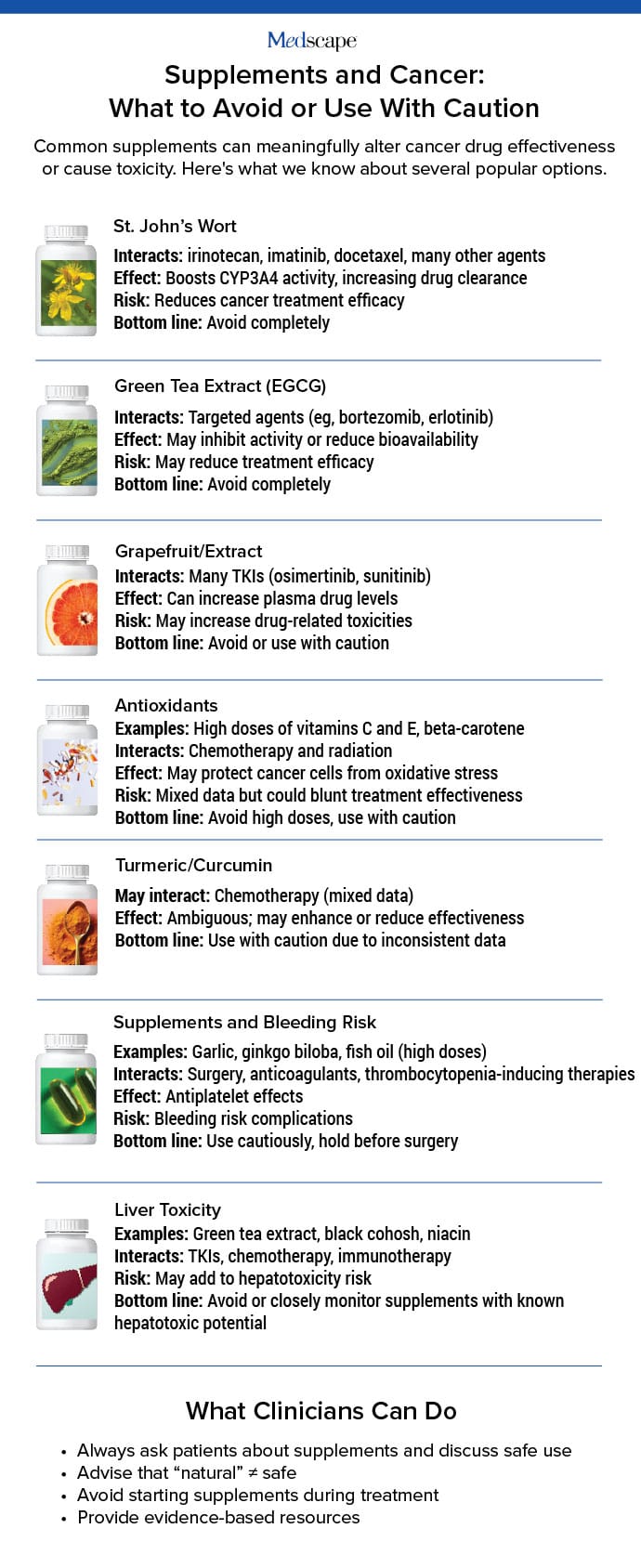
Still, Aaron Goodman, MD, can understand the appeal of alternative care.
An alternative doctor will "spend an hour with you and tell you things you like to hear, as opposed to 15 minutes with me," said Goodman, a hematologist and oncologist at Sunrise Health in Las Vegas.
But his patients who return after seeking alternative care often face a much more difficult situation. "I've definitely had patients who have died with otherwise curable diseases," he said.
Last Moments
After the stage IV diagnosis, Carissa was comfortable with Maryann choosing not to pursue more treatments. She spoke to her mother about going on a trip in her final months, perhaps Niagara Falls, perhaps Italy. And she set up a consult about palliative care and hospice in the home.
By late July 2024, Maryann was too weak to get out of bed. On July 25, Carissa stayed over. But the next day, Carissa and Tracie got into a dispute that led to a physical confrontation.
Vito called the police. Around 9 PM, an officer pulled into their driveway, lights blazing. Carissa was booked on a misdemeanor battery charge and spent that Friday night in jail.
Over the next few days, Maryann drifted in and out of consciousness. Under a no-contact order, Carissa stayed away. She waited for an update that never came.
On August 2, she sent her mother one last message. "I love you mom," she wrote. "I wish I could talk to you again."
Maryann died 3 days later, just over a year after her first trip to Hope4Cancer.
The Aftermath
After their mother's death, Tracie launched a functional medicine practice, Emergent Wellness Essentials, which offers integrative oncology services. Looking back, she has one regret about her mother and aunt's care: "I wish they would have gone sooner," she said in an interview.
Carissa took a different path. In late August 2024, Carissa sent information about her mother's case to Robert Shipitalo, a consumer safety officer with the FDA. "It is bad enough to lose a love[d] one to disease, but to also see a family destroyed financially and emotionally by fraud is just heartbreaking," he responded.
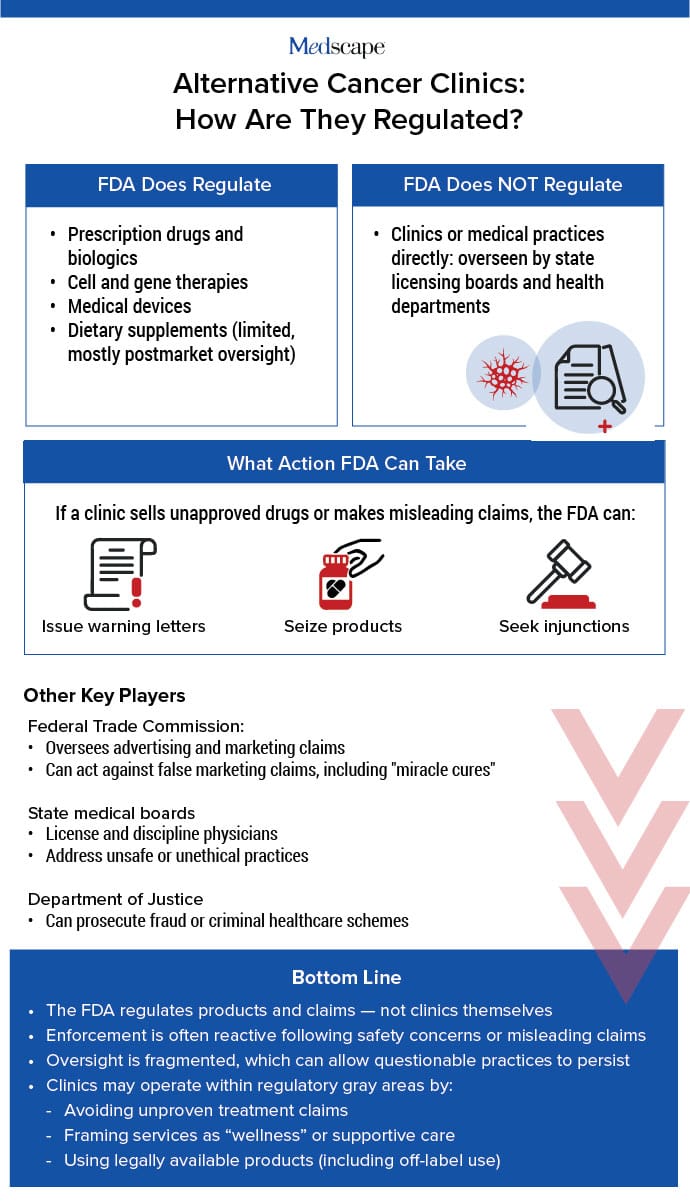
But medical care provided in Mexico fell outside his jurisdiction. In an interview, Shipitalo said he "referred the case" to agents within the FDA and Department of Homeland Security "to look further," but it's unclear if there was a formal investigation. Shipitalo explained that civil cases may receive lower priority for prosecutors in the face of narcotics trafficking and other crimes.
In its statement, Hope4Cancer noted that it was unaware of any FDA investigation, "especially not one concerning issues outside that agency's jurisdiction." Indeed, the clinic appears to have faced limited publicly documented legal repercussions.
A Tijuana-based lawyer who asked not to be named said he had filed multiple claims in Baja California with the National Medical Arbitration Commission, a government agency in Mexico that helps resolve healthcare disputes, but none were successful. His clients either lacked explicit contracts with the clinic, were unable or unwilling to testify in person, or had simply died before exhausting their options.
"Mexican law, it doesn't help too much people from a foreign country," he said. He no longer takes on clients seeking compensation from Hope4Cancer.
And oncologists are often left to pick up the pieces.
"We get ambulance visits with people coming from clinics in Mexico daily," said the California-based oncologist who requested anonymity.
Even so, the oncologist believes that clinicians need to be more proactive at challenging misinformation and guiding alternative or complementary treatment choices.
While experts said education may be the best way to stop the spread of misinformation, appeals to reason don't always work.
There's more distrust, especially since COVID, Goodman said. Lewis and Miller have observed the distrust as well. Some patients believe their doctor is hiding the cure for cancer, and patients may still pursue dangerous treatments against medical advice. Conversations can become heated, and in some circumstances, it may be necessary to part ways with patients, Miller said.
The key for Goodman is to keep the lines of communication open with patients. Goodman has one simple request for his patients: "Please work with me."
For Carissa, although she had lost her mother and probably her family too, she hoped she might be able to stop the same thing from happening to someone else.
She added her own comment in the Hope4Cancer victims group.
"Don't go!" she replied to one poster.


