Admin_Adham
During a session at the French Language Neurology Days (JNLF) 2026, Pierre Amarenco, MD, professor of neurology at Paris University, founder/chair of the Neurology and Stroke Center, and SOS-TIA clinic at Bichat University Hospital in Paris, France; Jeanne Benoit, MD, neurologist, and senior resident in the Department of Neurology, Nice University Hospital, Nice, France. She is also a PhD candidate at the Institut de Neurosciences des Systèmes in Marseille, France, and Benjamin Cretin, MD, neurologist from the Hospitals Universitaires de Strasbourg, in Strasbourg, France, reviewed major diagnostic pitfalls associated with transient neurologic symptoms.
Transient Ischemic Attack (TIA) Diagnosis
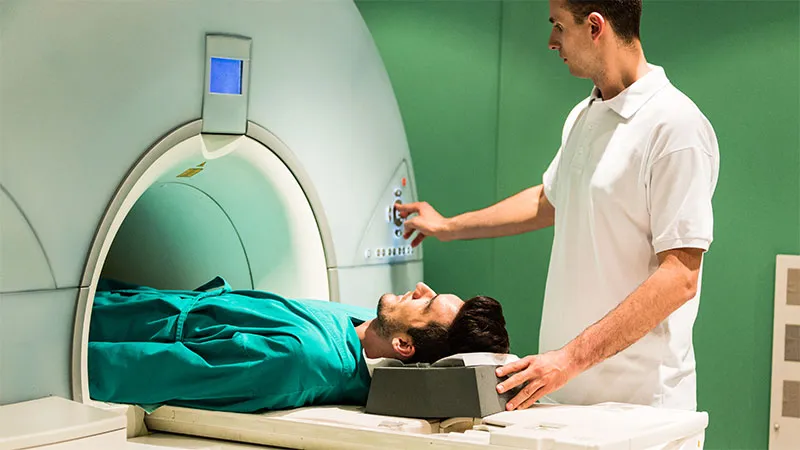
Current definitions of TIA are based on both clinical and radiologic findings. TIA is defined as a brief episode of focal neurologic dysfunction caused by ischemia without evidence of acute infarction on diffusion-weighted MRI. Any transient neurologic deficit with a lesion visible on MRI was classified as cerebral infarction.
Common manifestations include motor, sensory, visual, and aphasic symptoms. Less typical presentations, including unsteadiness, diplopia, or dizziness, can complicate the diagnosis. Researchers noted that stroke incidence may reach 25% within 90 days after a TIA, with the highest risk occurring during the first few days following the event.
Rapid treatment is central to prognosis. Speakers highlighted the SOS-TIA, a hospital clinic with 24-h access at Bichat Hospital, which allows direct admission, urgent diagnostic evaluation, and identification of the underlying cause within 4 hours to reduce stroke risk during the following hours and days. This approach significantly reduces the risk for recurrence, which is estimated to be approximately 80% in 3 months. The development of TIA clinics should be expanded to include all stroke units.
Risk Limits
The ABCD2 score has traditionally been used to assess the early risk for stroke following TIA; however, experts have noted that important limitations have emerged. Approximately 20% of patients with a score < 4 have high-risk lesions, such as carotid stenosis, that require urgent management. These findings support the urgent evaluation of all suspected TIA cases, including specialist assessment within 24 hours and routine MRI.
Prompt administration of 300 mg of aspirin significantly lowers the risk for stroke, speakers noted. The combination of aspirin with clopidogrel may provide additional benefits during the first 10-21 days after the event. Preventive strategies should target hypertension, dyslipidemia, and smoking. Optimizing low-density lipoprotein cholesterol levels is a key goal, with current target levels set below 0.70 g/L.
Epilepsy and TIA
Seizures are a common cause of misdiagnosis of TIA and should always be considered in the differential diagnosis. Clinical presentations may resemble migraines, vertigo, or focal neurologic deficits.
Distinguishing migraine aura from epileptic seizures can be particularly difficult. Migraine aura usually develops gradually and often includes visual or sensory symptoms that last from several minutes to an hour. Epileptic seizures are generally shorter, rapid in onset, stereotyped, and may include multicolored visual phenomena or electrical sensations. Atypical forms of both conditions can further complicate the diagnosis.
Vestibular seizures may present with brief, stereotyped vertigo sometimes accompanied by sensory, psychologic, or autonomic symptoms. Similarities to peripheral vertigo, vestibular migraine, or paroxysmal vertigo may obscure the diagnosis. Prolonged or sleep EEG testing may be necessary in some cases.
Focal deficits after seizures may also lead to diagnostic confusion. Todd’s paralysis can mimic vascular disease; however, MRI and EEG findings may remain inconclusive during the postictal phase. Somato inhibitory seizures present with transient motor deficits of epileptic origin, whereas ictal aphasia can resemble vascular aphasia and may require prolonged EEG for confirmation.
Amnesia Patterns
Speakers also reviewed transient amnesic syndromes. Transient global amnesia, described during presentation as the most common amnestic syndrome, accounts for an estimated 2000-6000 cases annually in France. This condition is characterized by severe anterograde amnesia, often accompanied by partial retrograde amnesia. Patients typically repeat questions because they cannot retain new information. Episodes usually last 4-24 hours.
The syndrome primarily affects patients aged 50-70 years and is often triggered by physical exertion, emotional stress, or water exposure. Sleep apnea is a common comorbidity. There are two incidence peaks: between 10 AM and noon, and again between 5 PM and 6 PM. Brain imaging findings typically remained normal during the acute phase.
Transient epileptic amnesia usually lasts 10-30 minutes and tends to recur. This may include olfactory auras, speech disturbances, impaired coordination, autobiographical memory impairment, and behavioral changes. Unlike transient global amnesia, these episodes often occur upon waking. MRI is recommended particularly in cases of recurrence or when associated symptoms are present.
Transient vascular amnesia is less common and usually affects men older than 70 years with poorly controlled cardiovascular risk factors. They are often accompanied by focal neurologic signs, including language and gnostic disorders, and severe headaches may suggest vascular origin.
This story was translated from Univadis France, part of the Medscape Professional Network.