

 Admin_Adham
A second pill to treat obesity was approved on April 1 by the FDA, heralding a new era in the fight against obesity and overweight.
The new drug, Foundayo, is more convenient to take than oral Wegovy, the only other FDA-approved pill for weight loss. Unlike oral Wegovy, Foundayo can be taken on an empty stomach, at any time of the day, and without having to wait at least 30 minutes before eating. Lilly, the maker of Foundayo, reported an average weight loss of 11% of BMI, while Novo Nordisk, which makes oral Wegovy, reported a 16% average weight loss at the highest dose.
Patients and their providers will have a choice of pills — and that means more details to pay attention to and new payment and insurance considerations. Lilly reported on its website that self-pay patients can pay $149 a month for Foundayo, while those with insurance may be able to get the drug for $25. Novo Nordisk reported similar costs for oral Wegovy.
The back-to-back approvals also showed how fast the two biggest makers of weight-loss drugs are working to develop new drugs — and, of course, to garner market share in the world’s lucrative weight-loss drug market. By some estimates, weight-loss drug sales could reach $130 billion a year by 2030. Both companies are in constant clinical trials looking for an edge.
And while these developments have the potential to be great for patients, they can be dizzying for primary care practitioners (PCPs), usually the first point of contact for patients who want to lose weight for their health. Neither drug is intended for cosmetic weight loss. The drugs differ from one another in sometimes subtle ways and carry similar side effects and risk factors that may affect each patient differently. Patients also have questions and concerns about cost and insurance.
With so many considerations, it’s important that PCPs as well as physicians who treat obesity pay close attention — and be prepared to have conversations with their patients.
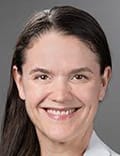
“It seems really easy that you can prescribe a medicine, but we can’t just minimize it to writing a prescription, especially when you prescribe a weight-loss medication,” said Catherine Varney, DO, obesity medicine director at UVA Health at the University of Virginia in Charlottesville, Virginia. Varney, dual board-certified physician in family medicine and obesity medicine, said she hears from patients “all the time” who are asking about all the latest developments. And the new drugs were the talk of the recent annual Obesity Medicine Conference in San Diego in early April.
Foundayo had just won approval on April 1 for the treatment of patients with obesity, or those with a BMI > 30, and those with overweight, or those with a BMI of 27-30, who also have certain weight-related illnesses. Those include cardiovascular disease, obstructive sleep apnea, hypertension, or trouble controlling their cholesterol levels. Those taking either pill are also required to decrease their caloric intake and increase their physical activity for optimal weight loss.
The pills share a game-changing benefit, the PCPs said: No more injections.
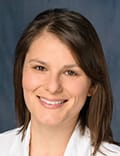
“There are patients who don’t want to give themselves shots,” said Amy Sheer, MD, an internist and program director for the obesity medicine fellowship at the University of Florida College of Medicine, Gainesville, Florida. Many patients have called or talked with Sheer during regular appointments and check-ups, wanting to know if they are a candidate for the pills and whether their insurance will cover them.
Shots were necessary to bypass the degrading of the weight-loss drugs by digestive enzymes in the stomach. For years, drug makers had been searching for a way to produce an oral medication to treat obesity, although an oral medication to treat diabetes, Rybelsus, has been available since 2019.
Novo Nordisk was first, developing a technology for Wegovy that allowed a tablet form of its blockbuster drug to still be absorbed. But that can happen only if a patient does not eat anything for 30 minutes and takes the medication first thing in the morning, among the other restrictions. Foundayo not only eliminates the necessity of an injection but also makes taking a pill more convenient.
Sheer said she’s already fielding questions from patients — not only about the tablets but also about eligibility and insurance.
“I mean, it’s complicated,” said Sheer. “They all (insurers) require prior auths, and it’s frustrating for patients. I stay up to date on all the info, but when I talk to patients about an oral pill, they say ‘well, my insurance won’t cover it.’ And sometimes it will.”
Varney said PCPs and all providers must stay up to date.
“Everybody should work to the top of their license to prescribe the right medication,” she said. And they should refer patients to an exercise program and, ideally, a nutritionist who can work with them on healthier eating.
Patients need to understand that they need to stay on the medicines long-term for the drugs to be effective. They also need to understand the risks and side effects, doctors said. Referring patients to obesity experts can help.
Nearly all the weight-loss drugs have potential side effects, ranging from gastrointestinal problems such as gas and diarrhea to hair loss and headaches. Foundayo and oral Wegovy both have “black box warning” for thyroid C-cell tumors. Pregnant people should not take Foundayo because of the possibility of damage to the fetus. In addition, people who take birth control pills should switch from an oral contraceptive to another method of birth control, Lilly reported. Patients need to know these risks and special considerations, doctors said, and physicians need to make sure their patients understand them.
As for insurance coverage, Sheer recommends that PCPs who decide to prescribe a weight-loss drug to go ahead “and send it to the pharmacy to see what they say.”
With rules changing all the time — Medicare will start covering weight-loss drugs in July, for instance — and people changing insurance, it’s worth trying to see if the pharmacy will fill it. She also suggested that PCPs suggest to patients to look into cash pay.
“And tell them to go to the companies’ web sites,” she said, where discounts can often be found.
Sheer also suggested that PCPs talk to their drug representative and learn from them.
Experts also reminded PCPs who might feel overwhelmed that patients can make a follow-up appointment.
“You don’t have to do everything on that first visit,” said Sheer. “There’s so much — will this be covered by insurance, which pharmacy. And don’t overpromise — they’ve been told their whole lives to diet and exercise. If that worked, we wouldn’t have this problem.”
And while the new developments, the race for market share, and the complicated insurance issues may seem overwhelming for providers, Sheer reminds other providers of what these developments mean for people who have struggled with obesity and overweight for much of their lives. Patients are finally feeling validated for the first time.
“Their doctors have heard them,” Sheer said. “One of the biggest things with the patient is that sometimes clinicians don’t hear them.”
Varney cited what she sees as another positive emotional side effect of the swift drug developments: a decrease in stigma. Patients are less embarrassed about talking to their doctors about their weight — and their friends and family.
“I’ve had patients who didn’t even want to tell their spouses they were taking weight-loss drugs,” said Varney. “That is finally changing.”
Varney disclosed being a consultant for Eli Lilly.


