Admin_Adham
TOPLINE:
In patients with heart failure with preserved ejection fraction (HFpEF) and iron deficiency without anaemia, intravenous ferric carboxymaltose (FCM) normalised blood iron levels but did not improve exercise haemodynamics or myocardial energy metabolism.
METHODOLOGY:
- Researchers conducted a phase 2, double-blind, randomized clinical trial (IRON-HFpEF) at two Dutch centres to assess whether intravenous FCM could improve cardiovascular function and exercise tolerance in patients with HFpEF and iron deficiency without anaemia.
- They included 45 patients (mean age, 69 years; 78% women) between August 2020 and February 2023, with 42 patients completing the trial.
- Patients were randomly assigned to receive FCM dosed according to body weight and haemoglobin levels (median dose, 1000 mg) or matching saline placebo, with each infusion given over 30 minutes.
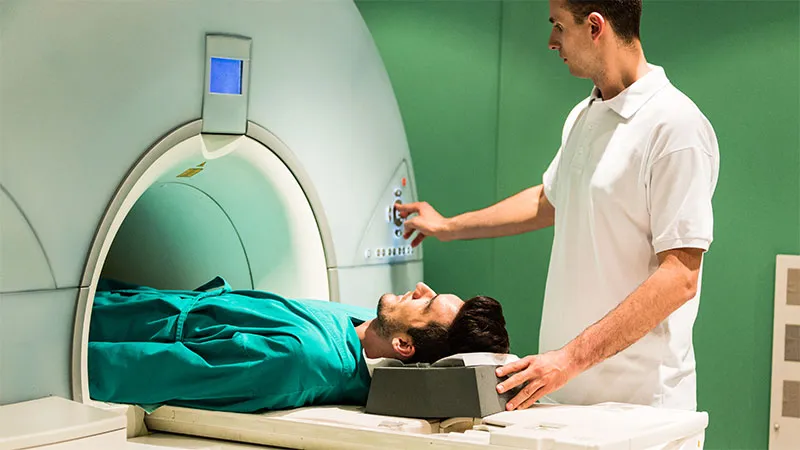
- The primary endpoint was the change in exercise pulmonary capillary wedge pressure (PCWP) across various exercise intensities. Additionally, the 6-minute walk distance, cardiac MRI-derived results, phosphorus-31 magnetic resonance spectroscopy-derived parameters of the heart and calf muscle, relevant biomarker levels, and quality of life were assessed.
- All measurements were taken at baseline and after 4 months.
TAKEAWAY:
- Iron deficiency was resolved in 15 of 20 FCM recipients. Ferritin levels increased from 94 µg/L to 375 µg/L (P < .001), and transferrin saturation increased from 20% to 26% (P = .01).
- FCM did not change PCWP at rest, during passive leg raise or recovery, or at any level of exercise. It had no effect on cardiac or skeletal muscle energy measures, overall cardiac output, pulmonary vascular resistance, or right‑sided heart pressures.
- FCM recipients showed improvement in right ventricular ejection fraction, whereas placebo recipients experienced a decrease (+4% vs -3%; P = .002). FCM recipients had an increase in right ventricular stroke volume (P = .02).
- After adjustment for baseline differences, FCM recipients had an increase in 6-minute walk distance of 28 metres (P = .01).
IN PRACTICE:
"FCM did not improve exercise hemodynamics, LV [left ventricular] diastolic function, myocardial or skeletal energy homeostasis. However, exploratory analyses suggest that FCM might improve microvascular endothelial function, RV [right ventricular] function, and exercise tolerance (6MWD)," the researchers of the study wrote.
SOURCE:
The study was led by Arno A. van de Bovenkamp of Amsterdam University Medical Center in Amsterdam, Netherlands. It was published online on May 18, 2026, in the European Journal of Heart Failure.
LIMITATIONS:
The study had a small sample size. Multiple testing adjustments were not performed; therefore, false‑positive findings could not be excluded. Baseline differences between groups may have affected the findings.
DISCLOSURES:
The study was funded by Vifor (Int) AG, Glattburg, Switzerland. Several authors reported receiving support from research funding bodies and government grants. One author reported receiving industry funding as well as educational and speaker/consultancy fees from multiple sources, including the funding company.
This article was created using several editorial tools, including AI, as part of the process. Human editors reviewed this content before publication.