

 Admin_Adham
 Jump to Key Points
Eventually, every doctor becomes a patient. For many physicians, experiencing serious illness and treatment is humbling, eye-opening, and in the end, transformative. Dr. Patient is a Medscape Medical News series telling these stories.
Sepsis snuck up on me. It seemed to happen overnight. I woke up one morning, got in the shower, and as I was getting out, I passed out — just hit the cold tile floor. Then, I couldn’t get up and couldn’t make it back to my bed. So I crawled across the bathroom floor to my room and inchwormed across the carpet.
I had no idea what was wrong. I didn’t have any symptoms of an infection. No cough, rash, or burning when I urinated. I have three chronic illnesses, so I’m used to having bad days. I developed type 1 diabetes when I was 15 years old, then hypothyroidism, and I was later diagnosed with multiple sclerosis (MS). But this wasn’t a blood sugar problem, and it wasn’t just a bad day.
I stayed in bed, drinking fluids and trying to will myself to get better. After 3 days, I had my office staff come and draw blood cultures, listen to my lungs, and bring me a shot of Rocephin. It didn’t work.
- Sepsis can present abruptly w/o clear infectious symptoms; hypotension may impair cognition.
- Initial fluid resuscitation may cause pulmonary edema/heart failure; ventilatory support may be required.
- Patient-reported worsening despite improving vitals/labs may signal unresolved critical illness.
- Physician-patients may experience conflict, loss of control, and perceived dismissal by clinicians.
- Sepsis recovery may take 3-12 months; lingering weakness can impair return to work.
Lying in bed, my whole body was drenched in sweat from the fever. I had rigors, my teeth chattering from the chills. I’d never experienced anything like that before. Finally, my mom had had enough and took me to the emergency room (ER).
It was sepsis. My blood pressure was so low that the blood flow in my brain was impaired. I couldn’t think straight. I’m going to be a nuisance, I kept thinking. They’re going to say, “Look at this girl. She’s healthy.” In my crazy, ill-perfused brain, I didn’t want to believe I was sick.
Unfortunately, I’m a good fake. I convinced the ER doctor that my condition wasn’t that bad, so he sent me to a regular floor bed. A young female hospitalist came in and couldn’t even get my blood pressure to register. She was the one who sent me to the ICU.
I remember thinking, Okay, I’m sick. But I’m a doctor. I know this stuff. Maybe I’ll get the royal treatment. That wasn’t what happened.
I called my intensivist “Dr Icy” because he gave me zero warmth. He didn’t look me in the eye. Never patted me or touched my shoulder and hardly ever examined me. That might sound like a minor thing, but it wasn’t. It would have made a huge difference if he had shown me the slightest humanity.
Over the first couple of days, they gave me around 10 L of intravenous fluid. And although it rescued me from the low blood pressure, all that fluid seeped into my lungs. I was puffed up like a toad with pulmonary edema and went into heart failure. On day 4, I had to go on a ventilator.
Each day, Dr Icy said, “You’re getting better.” I wasn’t. I was so weak, it was hard to even turn over in bed. But because my labs and vitals showed improvement, he didn’t believe me.
As the days went on, I got desperate. I started calling my physician friends and telling them, “This guy’s not listening to me. I’m afraid I’m going to die.” I asked them officially to help with my case.
Dr Icy was furious. “She’s trying to manage her own care,” he told my family. She’s involving other doctors without my permission.” It was more about his ego than anything else. He kept saying, “You’re not a critical care expert.”
“No, I’m not,” I said, “but I do know a few things. And I’m living in this body. I can tell what it’s saying: that I’m about to circle the drain.”
It’s hard to describe the helpless feeling of being at somebody else’s mercy. I couldn’t trust my own brain. But I couldn’t trust the people taking care of me either. I got a reputation for being difficult to deal with. I could hear the nurses chattering down the hall, saying I was belligerent, a problem patient. I tried to be as nice as I could be because I know what it’s like to have a patient like that.
But I hated giving up control. I had always been my own doctor. For decades, I had controlled my own diabetes and hypothyroidism. When I developed MS, I did see a neurologist who was one of the smartest guys I’ve ever known. But mostly, I’ve always been self-sufficient.
Now, I thought I was dying. And I was scared to death. Dr Icy told my family I had a 10% chance of survival. In medicine, we call that “hanging the crepe.” We explain, “your family member may not live.” That way, if they die, their loved ones are not as shocked. And if they live, the doctor looks great. Wow, you pulled her back from 10%!
Thankfully, by the grace of God, I did live. On day 9, they transferred me to the floor. I discovered that when your brain can’t function, it doesn’t matter that you haven’t had a bath in 10 days. When your brain starts to work again, though, it really matters. I needed to get out of there. I was dirty. The food was horrible. There was black hair growing out of my chin. I looked like the wicked witch of the west.
I was told that I “might” be discharged, so I waited for the doctor to come. One hour. Two. Three. Four hours. When were they going to let me go? They never did. So I told the nurses I was leaving.
“Your insurance won’t pay if you leave against medical advice,” they said. I didn’t care.
When it comes to empathy for other people, I feel like you’ve either got it or you don’t. And if it’s not there, medicine becomes like a cookbook recipe. That’s what Dr Icy had been doing with me. “We’re following the protocol,” he said. “We’re going to do this, this, and this.” He quoted journal articles that he had written.
Because of my own diabetes, I’ve always had huge empathy for my patients. Maybe too much. When I first started practicing, every time I saw a diabetes patient with complications, I would start to feel them myself. If I saw somebody with neuropathy, I’d notice numbness in my feet. If it was someone with heart disease, I’d start having chest pain. If somebody had retinopathy, my vision would get blurry. I had to sit down in my office and pray. God, I cannot internalize every person that I see. I can’t do this and provide good care.
But the other extreme, the complete lack of compassion I experienced, cannot be dismissed.
The normal recovery from sepsis can be 3-12 months to get your lung function back and rebuild muscle. I got maybe 10 days at home, and then one of my nurse practitioners quit. I had an independent solo practice, and I was very reliant on my staff. Without them, there was nobody to cover for me. I could barely even stand up, but I made myself go back to work.
It took years for me to realize that as a physician, I was used to suffering. Medicine had been my mission since I was 15. I wanted to become an endocrinologist and treat people with my disease, and I did everything I had to do to get there. When I was a resident, that meant being on 36-hour call. You worked all day and stayed all night, and then you wouldn’t go home till 4:30 the next day.
When I finally made it through med school, residency, and fellowship, I thought, Whew, I’ve studied and I’ve passed all the exams. Now, I’m going to have fun. It’s funny now that I thought the hard part was behind me because it was just beginning.
But doctors have this idea that we have to suffer a long time before we finally seek balance and happiness. I had to practice medicine for 30 years to figure out that it was not helping me as a person. It was sending me down the drain.
Fortunately, I believe it’s possible to reinvent yourself. And now that I no longer practice, I’ve written two memoirs. One is going to be called, Peach Cobbler Is Not a Fruit. It’s about my many conversations with patients trying to get them to eat healthier. They would say, “But I eat fruit every day.”
Through the sepsis episode and another near-death experience after that, I have managed somehow to keep a sense of humor. Because I still feel incredibly blessed. And there are a lot of hilarious things in medicine. The human body is a crazy system and we’ve all got to live in one, so you might as well laugh about it.
The experts cited in this article had no relevant disclosures.
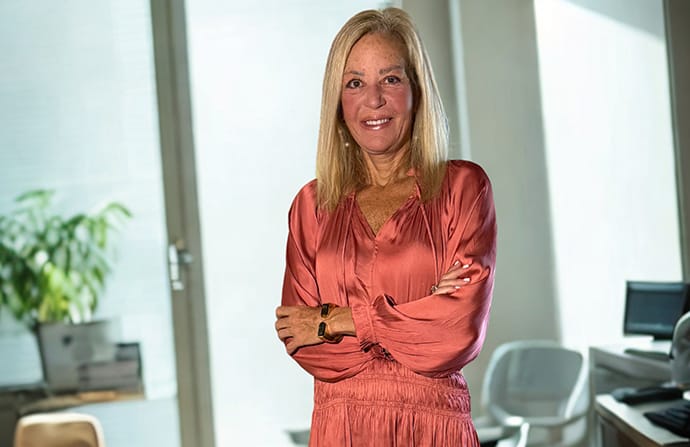
Andrea Hayes, MD, is a retired endocrinologist, author, and speaker. Her forthcoming memoir, Immersion: Blessings and Betrayals of a Life in Medicine, explores illness, faith, betrayal, resilience, and reinvention. She is also the author of Peach Cobbler Is Not a Fruit, a humorous essay collection drawn from the endocrine trenches.
Are you a doctor with a dramatic story about life as a patient? Medscape Medical News would love to consider your story for Dr. Patient. Please email your contact information and a short summary to access@webmd.net.



