Admin_Adham
Pathology detectable in the blood vessels of the eye and those in the heart share some etiologies and risk factors, such as hypertension, atherosclerosis, and diabetes.
So Anne Coleman, MD, PhD, of the University of California at Los Angeles (UCLA) David Geffen School of Medicine, wondered if a tool commonly used to identify patients at risk for heart disease could also help primary care clinicians detect patients with potentially serious eye conditions before the onset of symptoms. Given 40% of adults at high risk for vision loss in the US have not had a dilated eye exam in the previous year, she reasoned, such tools could help motivate more patients to access vision care.
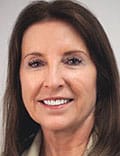
Coleman and her colleagues took advantage of data from earlier studies that developed the tool, called pooled cohort equations; composite risk scores that predict a person’s 10-year risk for atherosclerotic cardiovascular diseases (CVDs), using data easily available in the electronic medical record (EMR): age, sex, cholesterol levels, blood pressure, history of diabetes, and smoking status. The UCLA researchers mined data from the original All of Us study and analyzed electronic health records from over 30,000 adults aged 40-79 years without preexisting CVD or eye disease who enrolled in the earlier study between 2009 and 2015.
After 6 years of follow-up, adults at high risk for CVD were 6.2 times more likely to develop age-related macular degeneration (AMD), 5.9 times more likely to develop diabetic retinopathy, 4.5 times more likely to develop hypertensive retinopathy, 3.4 times more likely to develop retinal vein occlusion, and 2.3 times more likely to develop glaucoma than those at low risk for heart and vessel disease.
Coleman, who is the chair and executive medical director of the Department of Ophthalmology at UCLA and director of its Stein Eye Institute, said pooled cohort equations do not require primary care doctors to collect any additional data but still offer “an opportunity to identify high-risk patients early, when preventive measures might still protect their vision.”
Other studies validate this approach. Duke Appiah, PhD, associate professor in the Department of Public Health at the Texas Tech University Health Sciences Center in Lubbock, Texas, studied the role of CVD risk in predicting eye disease using the Life’s Simple 7 (LS7) scoring system.

The LS7 assigns points for smoking, physical activity, BMI, diet, blood pressure, total cholesterol, and blood glucose, with higher scores indicating better cardiovascular health. Using data from 6118 adults aged older than 40 years from the 2005-2008 National Health and Nutrition Examination Survey, Appiah and his colleagues found a one-point increase in LS7 score was associated with small declines in the odds of AMD, cataracts, and glaucoma, and significantly lower odds of diabetic retinopathy after adjusting for sociodemographic factors such as age, sex, and race.
Although calculation of the entire LS7 (now the LS8) might require asking more questions than pulling up a cohort equation in the EMR, Appiah said clinicians don’t need to calculate the entire LS7 score if one risk factor stands out.
“If you have a patient who comes to your clinic and the person has hypertension, you don’t necessarily have to get a full score,” Appiah said. Clinicians could focus on a single risk factor since controlling for that risk factor alone — in this case, blood pressure — could lead to lowering their future risk for eye disease as well as heart disease. The same holds true for starting medication for elevated cholesterol, losing weight, or quitting smoking.
William Fox, MD, practicing internist in Charlottesville, Virginia, and the immediate past chair of the American College of Physicians, said he was not surprised people at high risk for heart disease have an increased risk for diabetic or hypertensive retinopathy. “I found it more interesting and fascinating that things like AMD and even glaucoma were found to be associated with higher scores” on the pooled cohort equation, he said.
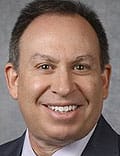
Knowledge of the increase in risk could prompt primary care physicians to recommend more frequent comprehensive eye exams to patients with CVD risk factors. “I think it would be interesting to know how ophthalmologists see using this information to determine how frequently and often people should go see their eye doctor,” Fox said. He said he wondered if these data would prompt the American Academy of Ophthalmology to revise its guidelines for the frequency of vision screening.
Coleman said more research into the use of readily available data like the cohort equation could help fine tune the existing recommendations for vision screening. “There’s a recommendation that patients are seen annually after a diagnosis of diabetes, but not everybody with diabetes needs to be seen annually,” she said. “A pooled cohort equation score that’s a higher risk would be a way of potentially getting those who really need to be seen in front of an ophthalmologist.”
“High scores on the pooled cohort equation could provide physicians with some additional ammunition or even a sense of urgency in a doctor’s recommendations to patients in terms of making sure that they’re taking care of the whole person,” Fox said.
Coleman said fear of blindness in particular could inspire behavior change, citing results of a national survey that found that nearly half of US adults r ated losing vision as the worst possible health outcome. “I think that’s been one area that’s challenging to get across to patients,” she said. “What you do for a healthy heart and brain, you’re also doing for your eyes.”
Appiah, Coleman, and Fox reported having no relevant financial conflicts of interest.
A former pediatrician and disease detective, Ann Thomas is a freelance science writer living in Portland, Oregon.