

 Admin_Adham
 Jump to Key Points
Hospitalists practice at the center of acute inpatient care, managing complex clinical situations, coordinating with subspecialists, navigating discharge planning, and responding to the operational pressures that shape hospital throughput and patient safety. The work can be demanding, with long shifts, high case levels, administrative burdens, and burnout risk.
Yet doctors in hospital medicine point to the specialty’s flexibility, varied practice models, leadership paths and broad clinical scope as reasons hospital medicine can support a meaningful career. Medscape Medical News asked four hospital medicine experts to share lessons on how to stay engaged, effective, and fulfilled.
Appreciating Scheduling Flexibility
Hospital medicine can offer a level of schedule flexibility that may be less available in more structured specialties. As physicians move through different career stages, flexibility can affect clinical workload, recovery time, professional focus, and work-life integration. Michael Hendricks, MD, interim chief, Division of Hospital Medicine, and director, Intake Group, Oregon Health & Science University in Portland, Oregon, said this flexibility allowed him to pursue hobbies, travel, and spend time with loved ones and friends during one phase of practice.
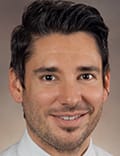
“I found that in a hospitalist career,” he said. “I worked my ‘week-on’ stretches and then disappeared for the next 7-plus days, to see the world and rediscover a life outside medicine,” he said.
- Hospital medicine supports flexible schedules; roles can evolve from inpatient care to leadership.
- Diverse service lines + micro-niches may reduce monotony and burnout.
- Hospitalists contribute to QI, capacity mgmt, operations, education, and systems-based care.
- Strong interdisciplinary relationships + institutional development resources support career growth.
- Burnout is common; mentorship helps set boundaries and sustain career decisions.
Hospital medicine can also provide clinicians with latitude to recalibrate their roles over time, shifting from direct inpatient service into administrative, operational, or leadership responsibilities as priorities change, he said.
“I found new meaning and full-time employment in leadership positions and hospital operations, and comfort in what is nearer a 9-5 schedule. Not many specialties offer such flexibility to evolve one’s career in parallel with personal goals,” said Hendricks.
Enjoying Career Diversification
Hospital medicine offers physicians a broad range of clinical practice environments and service-line responsibilities.
“By historical standards, hospital medicine is considered a ‘new’ discipline, and we’re still defining the boundaries and scope of our practice,” explained Hendricks. “Hospitalist ‘turf’ is idiosyncratic to each institution, thus there is a spectrum of jobs available that offer unique opportunities to work on multiple service lines.”

At his institution, Hendricks said hospitalists may rotate across distinct care models, including cardiac hospital medicine, oncology hospital medicine, transfer and triage, procedural services, and virtual care.
“Diversification of work type disrupts the monotony that frequently leads to burnout or diminished passion. Further, my colleagues and I find it rewarding to develop micro-niches within hospital medicine, to cultivate an expertise within ‘general’ practice,” he said.
Taking Advantage of Leadership Opportunities
As hospitalists manage an increasing proportion of the inpatient census, they are well positioned to contribute to quality improvement, capacity management, hospital operations, clinical education, and systems-based care initiatives, Hendricks said.
“Participation in these roles is not only rewarding in itself but gradually sets the hospital on a course that is friendly to hospitalists,” he said.
Being Part of the Medical Community
For hospitalists, professional connection extends across inpatient units, interdisciplinary teams, and institutional departments, Varalakshmi Janamanchi, MD, a hospitalist and vice chair of operations for the Integrated Hospital Care Institute at Cleveland Clinic in Cleveland.
“Within your department provide motivation and encouragement and during challenging times, and beyond your department, as a hospitalist, you understand that teamwork is essential for providing effective patient care,” she said. “Building and fostering relationships with both clinicians and nonclinicians throughout your institution enables you to shape the workplace culture you want to be part of.”
Using Institutional Development Platforms
Hospitalists can strengthen their clinical, operational, and leadership capabilities by using development resources available through their health systems.
“Whether through self-paced online learning or in-person events that foster connections with colleagues, these opportunities can benefit you throughout your career,” Janamanchi said.
Pursuing Professional Development
The inpatient environment requires continuous clinical growth, particularly as hospitalists manage multi-system disease, coordinate subspecialty input, and make time-sensitive care decisions. “I routinely address multi-system diseases and advance my clinical skills, managing complex pathology independently while consulting specialists when their expertise is required,” summarized Janamanchi.

Hospitalist practice can build leadership capacity through team-based care, clinical operations, policy work, and rapid problem-solving in unpredictable inpatient settings, said Sally Ravanos, MD, a hospitalist and associate medical director at UNC Health Rex in Raleigh, North Carolina. “I have learned to manage unpredictable situations and worked on policy and projects for numerous issues or problems,” she said. “I have also learned how to lead a team of hospitalists which presents a unique challenge.”
For Emily Howard, DO, assistant professor in the University of Nebraska Medical Center Division of Hospital Medicine in Omaha, Nebraska, collegial support is an important stabilizing force in a practice model built around short-term patient relationships and frequent care transitions.
“What keeps me going is my coworkers. Patients do come and go, but my coworkers are the constant,” Howard told Medscape Medical News. “I have become good friends with some physicians, APPs, CTNs, and nurses that I work with. When I have frustrating cases or am feeling overwhelmed, they are the ones who allow me to vent and who understand what I’m feeling.”
Strategies to Address Burnout and Support Self-Care
Recognizing the signs and symptoms of burnout is an important part of sustaining a hospital medicine career, particularly in a specialty marked by high acuity, shift work, emotional intensity, and operational demands. “I think we all will experience burnout on some scale during our careers in medicine. I noticed this in myself after about 3 years of practice,” said Howard.

Howard said self-care strategies may vary by clinician, but mentorship can help hospitalists evaluate career opportunities, set professional boundaries, and make sustainable decisions over time. “I had several mentors during medical school and residency but was paired up with one a few years after I started to practice,” Howard continued. “Being able to meet up with someone regularly who is further along in their medical career has been very helpful to me in deciding what opportunities to pursue and when to say ‘no.’ Especially as a woman and mother, having another woman in medicine who shares the struggle of balancing a family and a career has been incredibly helpful to me.”
No reported disclosures.



