

 Admin_Adham
More than 90% of confirmed influenza cases in the World Health Organization (WHO) European Region have tested positive for a new mutated strain of influenza known as AH3N2 J.2.4.1 or “subclade K,” the WHO reported.
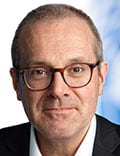
“Just a small genetic variation in the flu virus can mean more people get sick,” Hans Kluge, MD, WHO regional director for Europe, told Medscape News Europe.
The announcement comes as more than 70% of countries reporting data in the WHO European Region are disclosing high or very high influenza activity. Six countries in particular — Ireland, Kyrgyzstan, Montenegro, Serbia, Slovenia, and the UK — reported that more than half of patients tested for influenza-like illness were positive for influenza.
Higher influenza activity is corresponding with increasing hospitalization in some countries, something affecting all age groups, but especially adults aged 65 years or older, reported the European Respiratory Virus Surveillance Summary (ERVISS) as of data from the first week of December 2025.
Alessandro Diana, lecturer at the Faculty of Medicine at the University of Geneva, Switzerland, told Medscape News Europe that hospitalizations for influenza in the country are higher than last year and that the situation is likely similar all over Europe.
Kluge added: “H3N2 dominant seasons — like the one we are in now — tend to result in more severe disease than H1N1 dominant seasons. However, there is no evidence that the current circulating strain of H3N2, known as subclade K, causes more severe disease than other H3N2 strains.”
New Strain
Diana noted that the new strain’s first signal came from Australia earlier this year, which experienced an “overwhelming” number of hospitalizations; especially among those aged 65 or older and those with cardiopulmonary conditions. While it was initially thought that many of those afflicted weren’t vaccinated, it soon emerged that some had been.
Researchers began questioning whether the vaccine provides sufficient protection, Diana said. To test this, in vitro analyses were conducted and revealed that antibodies produced from the vaccine do have a neutralizing effect against subclade K.
“The problem is, however, that what you observe in the lab doesn’t always translate to patients,” Diana explained. He added that the flu vaccine does not protect against getting the flu, but it does reduce the risk for and severity of complications.
The WHO said that early estimates indicate that the current vaccine is up to 75% effective at preventing hospitalization in children aged between 2 and 17 years, and up to 40% effective in adults.
While Diana thinks the vaccine will help against complications from the new strain, it is left to be seen if this is really the case as more data is gathered and analyzed. The crucial thing in gathering data, he emphasized, is to make sure to record whether patients have been vaccinated.
“For the last 10-15 years, and especially in Switzerland, most people tend to wait until the end of December or beginning of January to get vaccinated. Since flu season started earlier this year — 4 weeks earlier according to the WHO, which still falls within the normal range — it could be that we have a lot of people who are hospitalized who did not receive the vaccine,” he said.
Staying Protected
“Keeping yourself protected helps prevent the virus from spreading,” Diana added, saying that clinicians should wear a mask to protect against transmission whenever seeing patients with respiratory symptoms.
Both Kluge and Diana urged vaccination for healthcare professionals working with vulnerable and/or immunocompromised patients and other high-risk groups.
“The WHO encourages everyone, especially those at higher risk, to prioritize vaccination and to integrate simple protective habits into everyday life. Get vaccinated when vaccines are offered to you. If you are sick, stay home. If you have symptoms, wear a mask. When sneezing or coughing, cover your mouth and nose. Clean your hands regularly. And open windows and doors regularly to let fresh air in,” said Kluge.
He also stressed the importance of protecting oneself from misinformation and disinformation.
“False or misleading claims about vaccines and protective measures spread like wildfire online, fueling confusion and mistrust and ultimately leaving people unprotected. The WHO urges everyone to seek reliable information: check your sources, verify facts, and turn to trusted institutions, such as ministries of health and the WHO,” Kluge said.
Diana reported working with www.infovac.ch and is involved in vaccine educational programs.
Annie Lennon is a medical journalist. Her writing appears on Medscape, WebMD, and Medical News Today, among other outlets.
