Admin_Adham
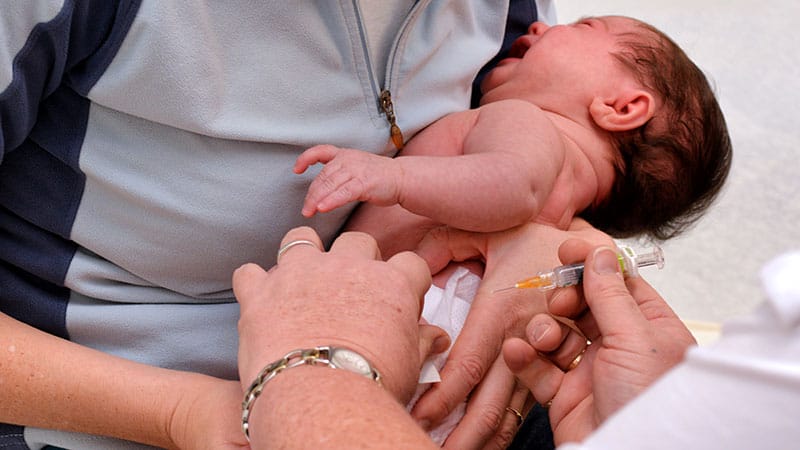
Premature babies admitted to NICUs may undergo about 14 painful procedures a day, such as punctures, tube placements, or diagnostic tests. For decades, it was assumed that neonates experienced little or no pain. Current evidence, however, shows that perception was wrong. Today we know that, for the same painful stimulus, neonates — and especially preterm infants — experience more intense and prolonged pain, with a greater risk for long-term biological consequences.
Neonatal Pain Myth
This idea — prevalent into the 1980s — was based on the theories of Charles Darwin, who considered that neonates’ responses to pain were reflexive and lacked conscious experience.
“It was based on studies of nervous-system immaturity, mistakenly interpreted as an inability to feel pain, and also on concerns about the possible risks of analgesic drugs,” said Itziar Marsinyach , coordinator of the Children’s Pain Committee of the Spanish Association of Paediatrics, Madrid, Spain, in comments to El Médico Interactivo, part of the Medscape’s Professional network. As a result, for years procedures and even surgeries were performed without analgesia or anesthesia.
“By the late 1980s, the studies by Anand and Hickey and by Sue Fitzgerald showed that neonates, especially preterm infants, did feel pain,” the pediatrician added. Those studies prompted a shift in clinical practice, including the introduction of systemic analgesia and pain-assessment scales for neonates.
Nociception Before Birth
Neuroimaging studies and functional MRI have shown that cortical areas in neonates are activated by painful stimuli in ways comparable to adults, confirming that nociceptive pathways are functional before birth. “From 20 weeks’ gestation, the fetus has nociception and can respond to painful stimuli through basic nerve pathways that transmit the signal to the spinal cord and produce reflex responses. Between 28 and 30 weeks, with maturation of the thalamus and cerebral cortex, cortico-thalamic pathways develop, allowing the conscious experience of pain,” said Ester Solé , a psychologist and pediatric pain researcher at Rovira i Virgili University,Catalonia, Spain, and coordinator of the Pediatric Pain Group of the Spanish Pain Society (SED), in comments to El Médico Interactivo.
Because the nervous system is immature, neonates experience pain more intensely, especially if they are preterm. “This greater intensity is mainly due to immaturity of brain and the central and peripheral nervous systems. Above all, they have less pain inhibition. There is also greater neuronal excitability due to immature circuits, which produces more pronounced physiological responses,” Solé added.
Scales to Measure Neonatal Pain
There are now more than 40 scales for measuring neonatal pain. They include items related to pain behaviors, such as crying, facial expression, movements, muscle tension, and how easily the baby can be consoled. They also incorporate physiologic parameters such as respiration, heart rate, oxygen saturation, and blood pressure. A combined assessment of these indicators allows evaluation of pain in neonates.
Some widely used international scales include the Premature Infant Pain Profile (PIPP) scale; the Neonatal Infant Pain Scale (NIPS); Crying, Requires oxygen, Increased vital signs, Expression, Sleeplessness (CRIES) scale; and the COMFORT scale. All combine behavioral and physiologic indicators. The PIPP and NIPS allow scoring adjustments for prematurity. In Spain, several of these scales are used in clinical practice, although some have not been validated in Spanish. CRIES has Spanish validation in some Latin American countries, and the PIPP-revised (PIPP-R) has been recently validated with a sample of the Spanish population. In Spain there is also a behavioral scale called “Llanto,” validated by a member of the SED, Francisco Reinoso; it is intended for children from birth to age 6.
Pediatric Pain: An Ethical and Clinical Challenge
Ana Mínguez , a hospital pharmacist who specializes in pain treatment in pediatric and adult patients and a member of the Pain Working Group of the SED, said that treating pediatric pain is “one of the greatest ethical and clinical challenges in today’s medicine.” During the second “Atención farmacéutica en el dolo” conference organized in March by this working group, Mínguez emphasized the concept of the “biological footprint” of pain. She explained that repeated exposure to painful stimuli in early life represents an assault on the developing nervous system, leaving a lasting imprint that can translate into altered pain processing and a greater risk for chronic pain in adulthood.
“This pain can become disabling, affecting daily life: it interrupts schooling, disrupts the family environment, and can contribute to the development of anxiety or depression,” she said to El Médico Interactivo. In this context, Mínguez highlights awareness initiatives such as Dolor.in — a project focused on raising awareness and addressing pain in pediatric populations aimed at both professionals and families.
The Biological Footprint
Painful interventions or procedures in early life can affect central sensitization and carry consequences into adulthood. “These babies are at risk of having a more sensitive nervous system in the future, meaning they may react more intensely to stimuli that for most people are not painful — a phenomenon known as allodynia, which can occur even with a simple caress,” Solé said. She added, “It is important later to evaluate whether this central sensitization can lead to chronic pain.”
Second, early pain can produce changes in the brain’s white matter. “During this vulnerable period, when neural connections are being formed, any impact on white matter can alter neural circuits, contributing to increased pain sensitivity and the intensified physiological responses we observe in these infants,” the psychologist said.
Finally, pain early in life can produce neuroendocrine changes related to the hypothalamic-pituitary-adrenal axis, which regulates the hormonal response to stress. “In infants exposed to repeated pain, higher cortisol levels and dysregulation of stress-response have been observed, which may increase the risk of chronic pain later in life,” Solé said.
These effects show how early medical interventions and procedures in neonates — especially preterm infants — can leave a lasting biological footprint, affecting both pain sensitivity and stress-response capacity in childhood and beyond. For that reason, experts insist that painful procedures should be performed only when strictly necessary.
Pharmacologic Strategies for Pediatric Pain
Treatment of pediatric pain is based on a multimodal approach that combines drugs with complementary mechanisms of action to reduce both dose and side effects. “Key drugs are paracetamol and ibuprofen, dosed by mg/kg of the child’s weight,” said Mínguez.
“For very painful procedures or interventions, opioids such as morphine or fentanyl are used; these are approved for treating pediatric pain. Morphine is the gold standard for managing very intense pediatric pain,” she added. “Dosing must be individualized, and that is why the presence of the hospital pharmacist is essential — to ensure formulation safety and correct administration, thereby ensuring efficacy and safety.”
Nonpharmacologic Strategies
Nonpharmacologic interventions have proven highly effective at minimizing pain during procedures in neonates. “They are low cost, beneficial, and can reduce the biological footprint these procedures leave long term,” Solé said.
Among the most used measures are breastfeeding during a painful procedure, which helps reduce pain perception; kangaroo care (skin-to-skin contact), in which the baby is placed on a parent’s bare chest to calm and reduce pain; and oral sucrose given with a pacifier, which has also been shown to soothe and reduce pain perception.
“When a child is left alone in an aggressive environment and subjected to invasive measures, they are left unprotected. That is why it is essential that children be accompanied by their parents during any procedure: that presence represents the real power of humanizing healthcare,” Mínguez said.
Limitations in Neonatal Pain Management
“Pediatric pain has been greatly neglected in health systems,” Mínguez said. “It is important that all professionals involved in pain treatment understand that the child also has significant needs — from medicine, nursing, pharmacy, physiotherapy, psychology, education, and gynecology.”
Marsinyach recalls that there are limitations in current strategies for pain management. “Analgesics act on receptors that also participate in neurodevelopment, and there are multiple published studies on the negative effects their use can have in neonatal patients, especially preterm infants. Nonpharmacologic measures are effective for mild pain; the question is how to approach pain in critically ill neonates who face invasive mechanical ventilation or major surgical procedures that are severely painful in adults,” she said.
Pain assessment is another major limitation. It currently relies on scales that combine behavioral and physiologic signs, but they have problems with usability, reliability, and clinical application. In this regard, a recent Cochrane review points out that many of these tools have methodological limitations, including insufficient evidence about their validity and accuracy, highlighting the need to improve their development and standardization.
Solé noted that in adults the reference standard for pain assessment is the patient’s self-report. However, this approach is not applicable in neonates because they cannot communicate their experience. Therefore, scales based on behavioral and physiologic indicators are used, although none is considered a true gold standard. International research groups are working on developing more objective tools. Given these limitations, new solutions are being explored, such as using AI to analyze facial expressions and physiologic parameters in real time, with the aim of improving pain detection and optimizing treatment.
Finally, at the biological level, researchers are investigating the mechanisms involved in the footprint of early pain, finding links with hormonal regulation, stress response and pain-processing circuits. “However, important questions remain, such as why some children develop chronic pain in adulthood after similar early exposures while others do not. These early experiences are considered a risk factor, but individual variability remains a key issue to clarify; for example, we still need to determine which psychosocial factors might interact with this neonatal risk and increase the likelihood of chronic pain later in life,” Solé concluded.
This story was translated from El Médico Interactivo on Univadis, part of the Medscape Professional Network.