

 Admin_Adham
Nolan Williams, MD, psychiatrist and neuroscientist from Stanford University, Stanford, California, whose work helped redefine what is possible in treating severe depression, posttraumatic stress disorder (PTSD), and traumatic brain injury, died at his home in Northern California on October 8. He was 43.
His wife, Kristin Raj, MD, told The New York Times that he died by suicide.
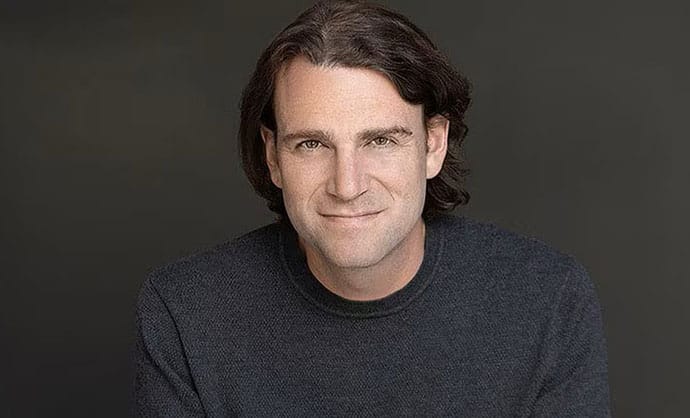
In a statement posted on her husband’s website, Raj, a professor of psychiatry and chief of interventional psychiatry at Stanford, who met Williams through their shared professional work, described him as “an extraordinary neuroscientist and physician whose work has transformed the field of mental health.”
“I hold on to the knowledge that he lives on not only through the light in our children but also through the countless lives he has touched and will touch and save through his work,” she said. “I bore witness each day to how deeply he was committed to this mission.”
At the time of his death, Williams was a professor of psychiatry and behavioral sciences and director of the Stanford Brain Stimulation Lab. He was best known for developing Stanford Accelerated Intelligent Neuromodulation Therapy (SAINT), a rapidly acting, MRI-guided form of transcranial magnetic stimulation (TMS) that delivers multiple short sessions over 5 days.
Designed for patients in acute crisis, SAINT was based on the premise that the most severe and treatment-resistant forms of depression cannot wait weeks for improvement.
Speaking on a 2023 Medscape expert panel, Williams said his team set out to redesign TMS specifically for psychiatric emergencies, where speed was essential. He noted that in this accelerated form, depression could be treated “not over the course of months but over the course of days.”
“Even people who failed electroconvulsive therapy had dramatic and rapid improvements,” he added.
Beyond his research in neuromodulation, Williams led a landmark investigation into the therapeutic potential of ibogaine, a plant-based psychoactive compound, for Special Operations veterans living with traumatic brain injury and severe PTSD symptoms. He partnered with Veterans Exploring Treatment Solutions (VETS) to design and direct a study published in Nature Medicine in 2024, evaluating 30 veterans before and after ibogaine treatment.
“Through this collaboration, 30 Special Operations veterans found dramatic relief from PTSD, depression, and anxiety, many experiencing life-changing restoration of function and hope when mainstream treatments had failed them,” VETS said in a statement mourning Williams’s death. “His groundbreaking work brought light to the darkest places of human suffering, and his loss leaves a void in our hearts and in our mission that can never be filled.”
The findings in the Nature Medicine study were striking: One month after treatment, 83% of participants achieved remission from PTSD, 73% from depression, and 86% from anxiety. Williams viewed the results as evidence that new, scientifically grounded approaches could reach individuals long considered untreatable.
Williams earned his medical degree from the Medical University of South Carolina in Charleston, South Carolina, where he completed dual residencies in neurology and psychiatry, as well as fellowships in clinical neuromodulation and human neuroscience. Early mentors recalled him as endlessly curious, deeply motivated by understanding brain circuitry, and committed to developing treatments for patients with the most severe and refractory conditions.
He joined the Stanford faculty in 2014 and quickly became known as a scientific innovator whose work bridged psychiatry, neurology, engineering, and emerging psychedelic research. His colleagues said he brought an uncommon blend of scientific rigor and clinical urgency to every project he pursued.
In addition to his wife, Williams is survived by their two children, his mother, and his brother. Funeral arrangements have not been announced.
