

 Admin_Adham
UK Consultants Restore Sight for 24 Injured Protesters
Two consultants from Moorfields Eye Hospital in London restored vision for 24 young men in Bangladesh during a humanitarian mission earlier this year.
The patients had sustained severe eye injuries during the "July uprising," a wave of pro-democracy protests in Dhaka last summer.
During the unrest, around 1000 people experienced ocular trauma. Of those, 700 received emergency treatment from the National Institute of Ophthalmology and Hospital (NIOH) in Dhaka.
Consultant ophthalmologists Mahi Muqit and Niaz Islam from Moorfields were invited by the NIOH earlier this year to provide specialist care for those with continuing visual impairment caused by bullet wounds.
Specialist Evaluation and Surgery
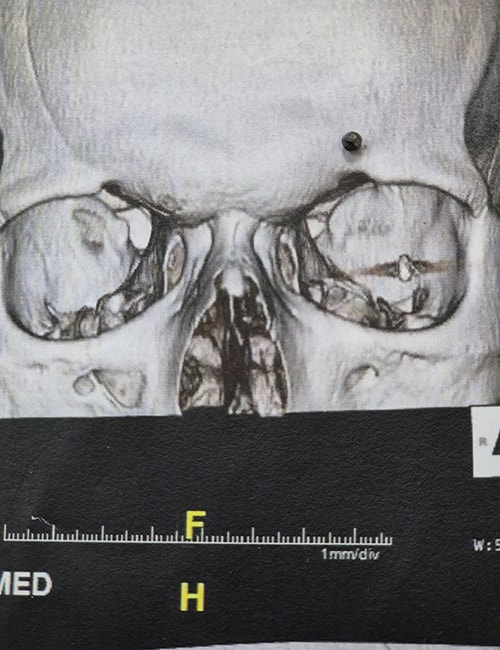
Over 2 days, the UK team assessed and treated 120 patients, all male and 14-30 years of age. Many had bullet fragments or pellets lodged inside their eyes, requiring complex vitreoretinal surgery.
Presentations included complications from macular proliferative vitreoretinopathy scar tissue, macular traction, retinal detachment, and intraocular foreign bodies.
The consultants explained that all of the patients they treated had traumatic primary retinal trauma and retained silicone oil from previous surgery. Silicone oil plays a pivotal role in the management of retinal detachment and severe ocular trauma, acting as a tamponade agent to help hold the retina in place while it heals. However, it can cause subsequent inflammation and visual difficulties, requiring further surgery.
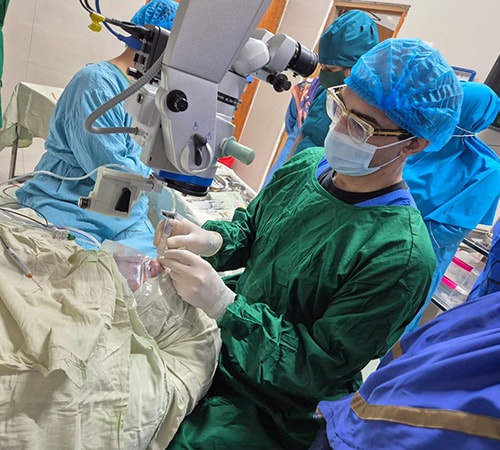
Muqit, a senior vitreoretinal consultant at Moorfields who has trained NIOH surgeons for a decade via Helen Keller Intl, operated on 24 patients. These patients are expected to show improvements in vision after 4 weeks.
Islam, a senior medical retina expert, offered clinical opinions and developed rehabilitation plans for patients with macula and retinal trauma.
Training and Collaboration
Alongside surgery, the team trained local doctors to handle future cases. They also met with the interim government’s health adviser to provide a debrief of their activities.
Muqit told Medscape News UK that he had initiated a clinical study, the Bangladesh Ocular Trauma Study (BULAT), which had been granted ethical approval by the NIOH.
Patients treated during the visit will be part of the study, with follow-up by local doctors as well as by Muqit and Islam, who plan to return in 3-4 months.
Muqit said it was a privilege to help patients who had lived with sight loss for months. "It was an honour to be invited to help these people, and an intense experience for all of us," he commented in a press release.
Islam said he hoped their work would leave a lasting impact. “We hope our legacy lies in having transferred skills to them, so they can in turn offer sight-saving surgery to many others affected by eye trauma in Bangladesh.”
Humanitarian Work
Moorfields Eye Hospital has a long-standing record of global humanitarian support. Its clinicians have delivered care and training in several countries, including Uganda, Ghana, Bangladesh, Mongolia, India, China, Palestine, and Chile.
However, the hospital told Medscape News UK that the nature of the traumas involved and the presence of their surgical team at the invitation of the government in Bangladesh set this project apart from others they have been involved in.
Dr Sheena Meredith is an established medical writer, editor, and consultant in healthcare communications, with extensive experience writing for medical professionals and the general public. She is qualified in medicine and in law and medical ethics.
