Admin_Adham
TOPLINE:
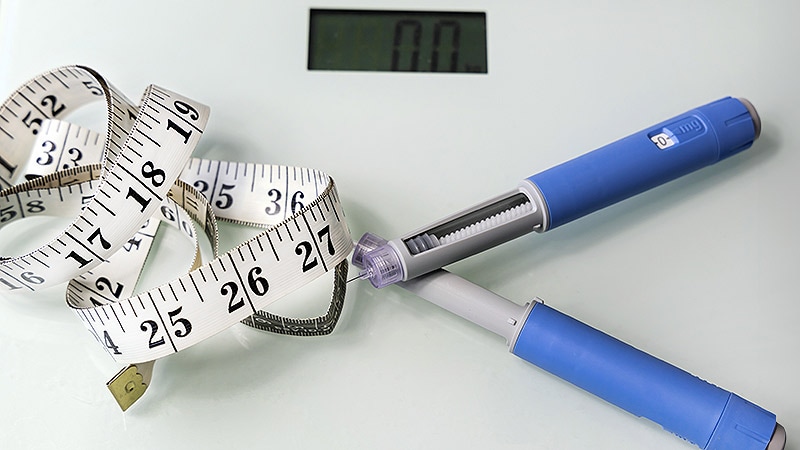
In patients with type 2 diabetes (T2D), treatment with oral semaglutide demonstrated a modest but significant reduction in serum urate levels, with substantially greater reductions observed in those with baseline serum urate levels > 6 mg/dL. Those with baseline hyperuricemia and those switching from DPP-4 inhibitors were more likely to achieve a serum urate level of < 6 mg/dL.
METHODOLOGY:
- Researchers conducted a retrospective real-world study to examine the effects of oral semaglutide treatment on serum urate levels in patients with T2D.
- The analysis included 236 adults with T2D (median age, 64 years; 40.7% women) who initiated oral semaglutide treatment between November 2021 and November 2022 across 12 healthcare centers in Spain; 12.3% of patients were receiving urate-lowering therapies at baseline.
- The primary endpoint was achieving serum urate levels < 6 mg/dL, with outcomes assessed over 6 and 12 months of follow-up; secondary endpoints examined baseline factors associated with achieving serum urate levels of < 6 mg/dL and average reductions.
TAKEAWAY:
- At baseline, 66.1% of patients had serum urate levels < 6 mg/dL, and 23.7% had hyperuricemia (serum urate level > 6.8 mg/dL).
- With oral semaglutide treatment, 70.2% and 76% of patients achieved serum urate levels < 6 mg/dL at 6 and 12 months, respectively; the likelihood of achieving the target serum urate level of < 6 mg/dL at 12 months was independently influenced by baseline serum urate levels ≥ 7 mg/dL (adjusted odds ratio [aOR], 4.54) and switching from a DPP-4 inhibitor therapy (aOR, 6.53; P < .05 for both).
- Serum urate levels decreased by a median of 0.2 mg/dL at 12 months (P = .031), with greater reductions in patients with baseline serum urate levels > 6 mg/dL (P < .001).
- Changes in serum urate levels occurred independently of improvements in metabolic control, weight loss, or baseline use of GLP-1 receptor agonists or SGLT2 inhibitors.
IN PRACTICE:
“While the urate-lowering effect of semaglutide is weaker than that observed with traditional ULT [urate-lowering therapies] in gout, it represents an additional metabolic benefit in selected populations. It may help to reach the desired [serum urate] target alongside ULT, although the clinical implications remain uncertain,” the authors of the study wrote.
SOURCE:
This study was led by Oscar Moreno-Pérez, MD, and Antonio Tejera-Muñoz, PhD, General University Hospital Dr. Balmis of Alicante in Alicante, Spain. It was published online on August 7, 2025, in Seminars in Arthritis and Rheumatism.
LIMITATIONS:
This retrospective observational study did not imply any cause-effect relationships. The analysis was post hoc in nature and lacked a control group, limiting generalizability. Data on cumulative dosing and exposure in mg/kg/d were lacking. Additionally, the participant’s gout history was unavailable.
DISCLOSURES:
This study did not receive any specific funding. Several authors reported financial relationships such as receiving financial support; advisory, speaking, and lecture fees; and/or funding grants from multiple pharmaceutical companies.
This article was created using several editorial tools, including AI, as part of the process. Human editors reviewed this content before publication.