
 Admin_Adham
 Jump to Key Points
Concern about mast cell activation syndrome (MCAS), a condition marked by wide-ranging symptoms linked to mast cell activity, is increasingly bringing patients to clinics. Experts are divided on how to diagnose it.
1. Broad Symptoms, Growing Attention
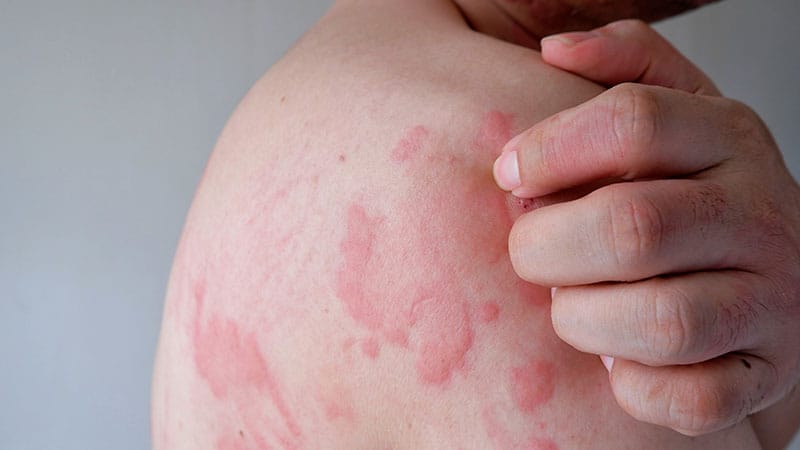
MCAS-associated symptoms include flushing, hives, swelling, GI symptoms, respiratory difficulty, tachycardia, and hypotension, and severity ranges up to life-threatening anaphylaxis. Triggers include exercise, NSAIDs, stress, and high-histamine foods. Referrals to specialists have grown markedly over 15 years, which some tie to heightened awareness and to online information and misinformation. COVID has been proposed as a possible factor behind MCAS.
2. Two Diagnostic Frameworks
The narrower framework, consensus 1, is endorsed by the American Academy of Allergy, Asthma, & Immunology. It calls for repeated episodes across multiple organ systems, lab evidence of elevated mast cell mediators, and improvement on mast cell–directed therapy. Consensus 2 is more permissive, counting additional symptoms and lab findings and allowing a diagnosis in some patients without an abnormal mediator test. One proponent of the broader approach estimates up to 17% of the population could have MCAS, which narrower-framework supporters dispute.
3. Testing and Its Limits
Supporters of the narrower criteria regard serum tryptase as the best-supported biomarker, counting an acute rise of 20% above baseline plus 2 ng/mL as evidence of systemic mast cell activation. Tryptase levels should be checked within hours of an episode’s start and compared with baseline, which is hard if patients can’t reach a lab mid-episode. Critics note that many patients with MCAS lack significant elevations. Others argue that tests may not reflect the hundreds of mediators mast cells can release, many of which are unstable and need careful handling.
- MCAS symptoms: flushing, hives, GI/respiratory sx, tachycardia, hypotension; may progress to anaphylaxis.
- Diagnostic criteria disputed: narrow consensus 1 vs broader consensus 2; prevalence estimate up to 17% disputed.
- Serum tryptase best-supported biomarker; acute rise ≥20% + 2 ng/mL over baseline supports systemic activation.
- Many suspected cases lack mediator elevation; unstable mediators + timing/handling limit testing.
- Misdiagnosis risk bidirectional: missed mast cell disease vs catchall labeling; evaluate alternative causes.
4. Gray Areas, Barriers, and Treatment
Patients who miss full criteria may receive the provisional label “mast cell activation, unspecified,” which signals possible but unconfirmed involvement. Barriers include limited clinician familiarity, extended workups that insurers may not fully cover, and distant, costly specialists. Treatment can include H1 and H2 antihistamines, cromolyn, leukotriene-modifying drugs, and omalizumab for persistent symptoms, with epinephrine for anaphylaxis.
5. Between Two Risks
Patients without a diagnosis may have trouble finding answers, and some report physical symptoms being blamed on psychological factors. One allergist worries MCAS is becoming a catchall for vague symptoms, as patients arrive convinced after reading online. A 2026 study found most popular MCAS TikTok videos contained inaccurate information. Questioning the diagnosis does not mean doubting the symptoms, but a wrong label can divert attention from other causes. An anaphylaxis-like picture of flushing, hypotension, abdominal pain, respiratory symptoms, and hives together can make the diagnosis plausible or even very likely when mediator testing wasn’t possible.
Bottom Line
Specialists disagree on how much objective evidence an MCAS diagnosis requires. Both blaming too many symptoms on mast cells and missing real mast cell involvement carry risk. Patients who miss criteria still need evaluation for other causes.
This article is based on a recent Medscape feature titled “Mast Cell Activation Syndrome Diagnosis Divides Experts as Patients Look for Answers” and was created using several editorial tools, including AI, as part of the process. Human editors reviewed this content before publication.