Admin_Adham
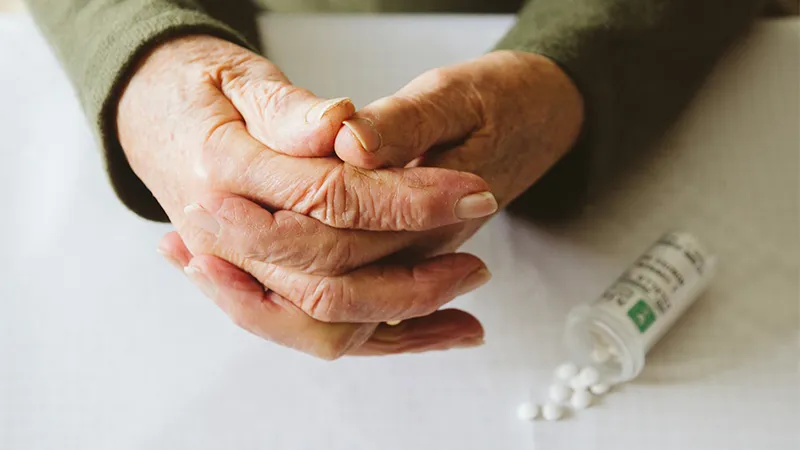
The potential anti-aging health benefits of GLP-1s are appealing to adults over 65. However, physicians should be aware of the age-related health issues that GLP-1 use could impact.
Potential Benefits
Studies of older adults using GLP-1s show improved kidney function and cardiovascular health, including better blood flow and a lower risk of stroke. Research also indicates that GLP-1s may reduce heart failure events. Early research suggests they could help fend off the onset of dementia or Alzheimer’s disease.
Muscle Loss
Aging naturally reduces muscle mass. GLP-1-related weight loss includes lean tissue, raising the risk of frailty. Encourage patients to eat 90-120 g of daily protein plus strength training to preserve muscle.
Bones Become Brittle
Bone mass and density also decrease with age and weight loss, leaving bones more susceptible to fractures. It is recommended that older adults take 1200 mg of calcium and 800 IU of vitamin D daily to support bone health.
Low Blood Pressure
Losing weight can lower blood pressure. If a patient is already on medication to lower their blood pressure, hypotension or fainting may occur. Physicians should monitor patients and either stop medications or adjust dosages as needed.
Dehydration and Kidney Function
Older adults are susceptible to dehydration, and GLP-1s can exacerbate the risk. This is particularly concerning for patients who already have kidney dysfunction. Remind patients to drink plenty of fluids and check their kidney functions regularly.
Bottom line: In adults over 65, GLP-1 use has both potential benefits and risks for age-related health. Physicians should stay alert, monitor closely, and address side effects proactively.